Skip to content
Home Sustainability Environmental commitment Risource use and circular economy

Resource use and circular economy
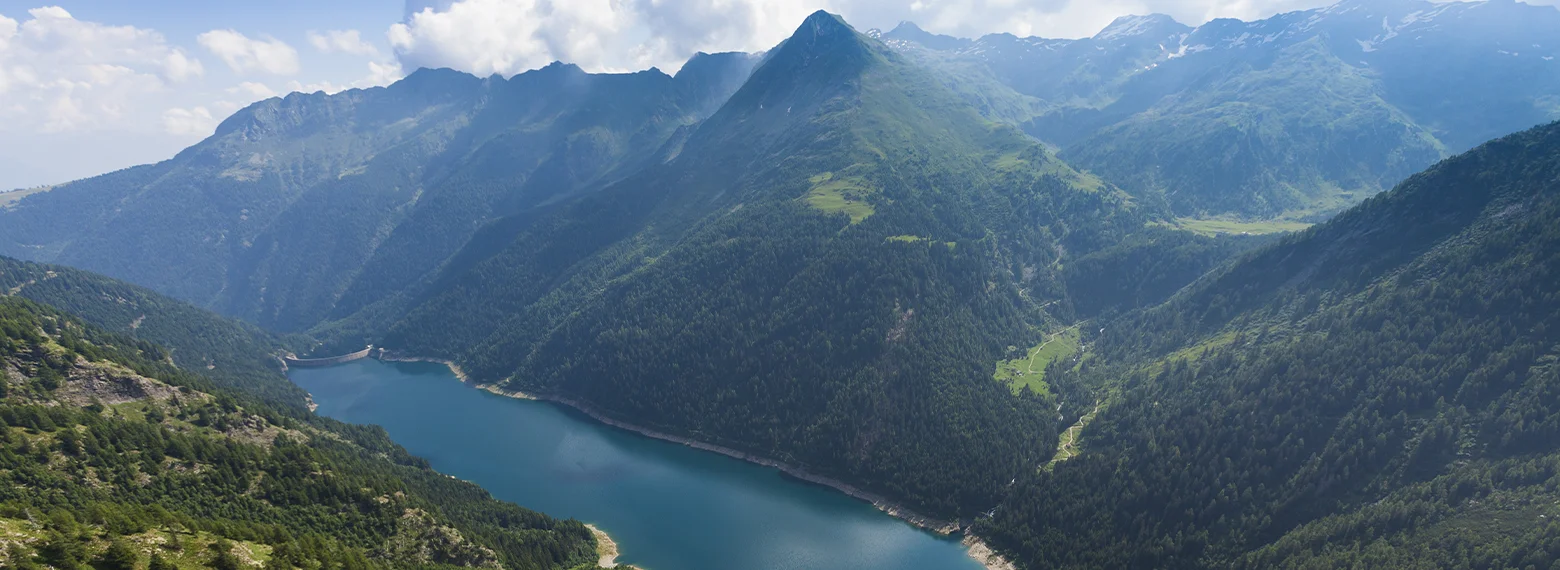
view of frera hydro plant in ganda italy

In addressing contemporary environmental challenges, the transition to a circular economy model plays a crucial role, where the rational use of energy is accompanied by the use of other natural resources.

The construction and operation of infrastructure can contribute to pressure on local ecosystems, reducing the availability of natural resources. To promote a sustainable energy transition in the country, we invest in research and development of more efficient and environmentally friendly production technologies. Achieving ambitious decarbonization goals requires a systemic transformation, leveraging internal expertise to innovatively rethink asset management, with the aim of maximizing competitiveness and reducing dependence on critical resources.

Extension of the plants life cycle and reconstruction

Among our actions to enhance resources and sites, we highlight mitigation actions such as extending the life cycle of our plants and those of our customers where we are present as managers, in order to contribute to waste prevention and minimize dependence on raw materials.
 
Complete reconstruction of wind farms is part of our organic growth strategy in renewables, which involves investments of around 5 billion euros by 2030 to increase our green installed capacity from the current 2 GW to 5 GW.
 
Among our projects carried out in 2024, we find the complete reconstruction of 4 plants in the province of Chieti with the aim of removing about 67 turbines and installing 18 new generation ones that will double the renewable energy available to the grid and customers, reducing the number of wind turbines on the Sangro mountain ridges by over 73%, using existing land and subsurface services such as electrical grid connections and foundation areas.
 
To ensure the circularity of wind farm components, we have developed the Wind New Life project in partnership with leading Italian wind operators to define a solution for the End of Life phase of the wind farm value chain. The goal, starting from 2025, is to recover the raw material of wind turbine blades that will reach the end of their life in the coming years.

Excavation earth and rocks

In managing our construction sites for the development of energy plants and infrastructure, we pay close attention to excavated earth and rocks (TRS). To reduce the environmental impacts associated with excavation and the movement of large quantities of earth, we strive to maximize the reuse of TRS, preferably within the production site, or alternatively in nearby areas. Specifically, in 2024, we reused approximately 9,000 cubic meters of TRS outside the construction site/project, in accordance with national Article 9 or Article 21 of DPR 120/17.

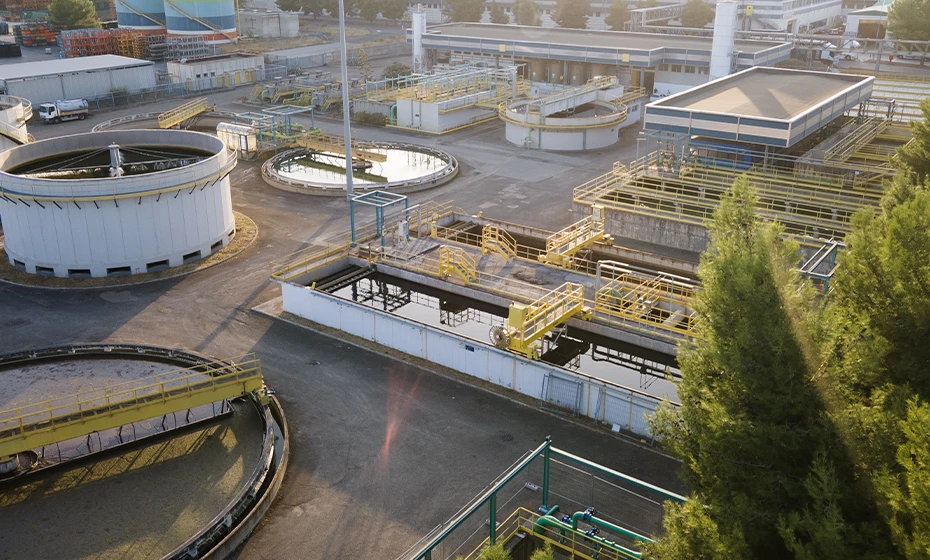
Aerial view of construction site excavations
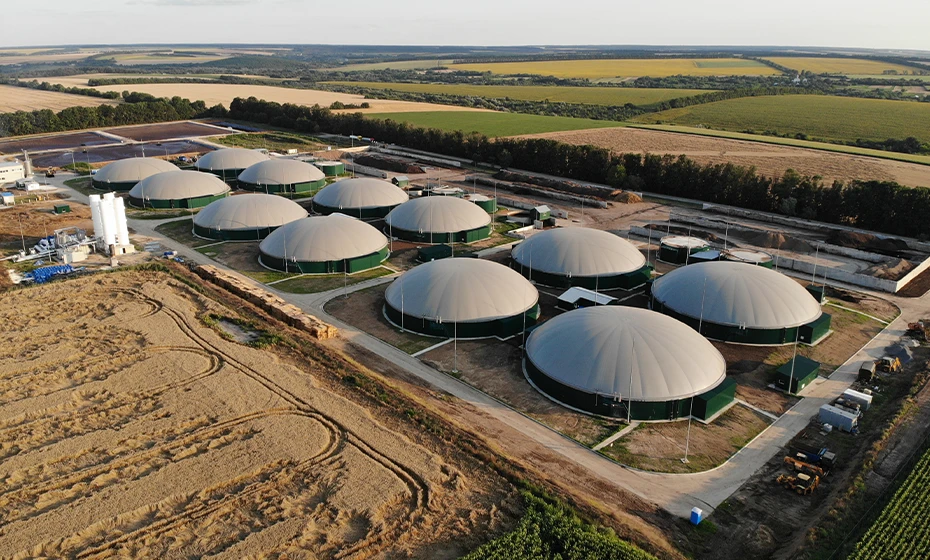
View of biogas plant

The development of biomethane

We develop innovative solutions for the energy system where biogas can play a strategic role and a valid alternative to natural gas, contributing to improving services, environmental and social impacts on territories in the long term. To this end, we have launched an ambitious development plan for the construction of new biogas production plants, both in liquid (LNG) and gaseous form, with the aim of building at least 10 plants by 2030 and consolidating a prominent position in the sector, operating on multiple fronts with the construction and management of biogas plants based on the use of the Organic Fraction of Municipal Solid Waste (FORSU). To enhance the resources present in the territory, we have signed a long-term contract for the purchase of biogas produced from agricultural waste with the company Kanadevia Inova. According to the agreement, Kanadevia Inova will complete the construction of a biogas plant entirely powered by agricultural by-products in the province of Cuneo by June, the first half of 2025, with an annual volume of approximately 3 million cubic meters.
Wood biomass

With a focus on our customers, with Edison Next we use wood biomass, a locally available material from short and sustainable supply chains, for heat generation at our industrial customers or within our district heating plants, helping companies to manage unusable materials in a correct and circular manner. Additionally, at the Michelin plant in Cuneo, with Edison Next we have installed and commissioned a trigeneration plant, which includes an integrated thermal energy production system through a group of boilers, one of which is powered by certified short-chain wood biomass, thus enhancing resources and synergies at the territorial level and further contributing to the sustainability goals of the project in addition to the photovoltaic plant.


View of workes at thermal plant in vernate italy
Aerial view of the Melfi waste to energy plant

Waste-to-energy

Edison Next offers industrial customers a range of services covering the entire waste management cycle, based on the principle that every waste can become a resource. These services aim to reduce both the environmental and economic impact of waste handling, including classification, brokerage, treatment, waste-to-energy conversion and final disposal. In this context, the Melfi plant stands out as a leader in electricity production and flue gas treatment, ensuring the waste-to-energy processing of 65,000 tons of waste annually through two lines dedicated to incinerating special and municipal solid waste.

Sustainable Offices Project
Within the Sustainable Offices Project, since 2022 at our Milan headquarter we have joined the RiVending initiative, which focuses on the effective recovery and recycling of plastic cups, stirrers and PET bottles, contributing to the reduction of plastic waste. At our Rivoli office, we have adopted NANDO, a ReLearn system based on advanced sensors and artificial intelligence, aimed at reducing the most common errors in waste sorting and thus improving the recycling rate. Alongside new ecological islands at our sites, these initiatives help reduce waste volume and increase the percentage of recycling, particularly of plastics.
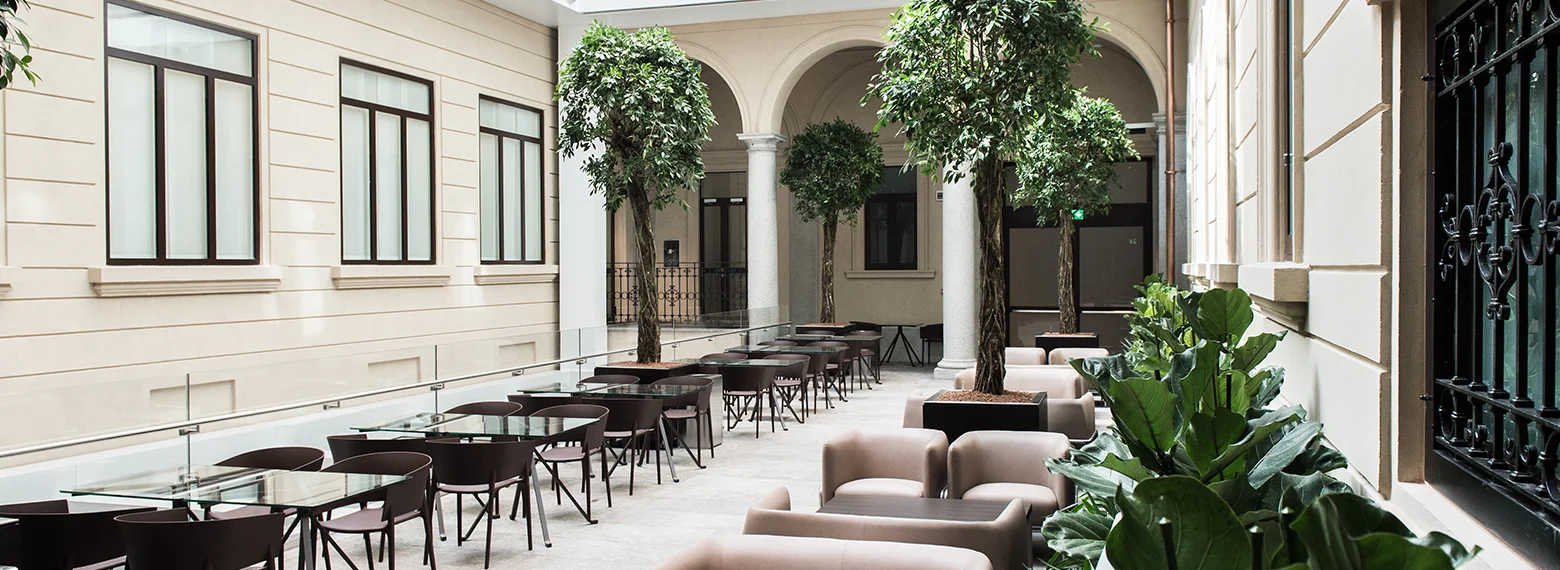
restaurant headquarter edison building milan

Initiatives for circularity

We actively participate in various awareness initiatives on circularity:
 
  • We took part in the 27th edition of Ecomondo, the leading European event dedicated to the green and circular economy;
     
  • We joined the Committee of the “Circular Economy” and “Biomethane Outlook” Observatory at Energy & Strategy (Politecnico di Milano), contributing to the study of the main trends transforming the industrial world towards a circular economy and monitoring the spread and development potential of biomethane in Italy;
     
  • As part of the awareness campaign launched by Italy's Assoambiente, we participated in the 'Open Plants on the Road. The Journey for Sustainability' initiative by opening our Melfi plant to the public, aimed at promoting a conscious culture in waste management and sharing knowledge about the technologies used and monitoring processes implemented;
     
  • We collaborate with the Organisation Méditerranéenne de l’Energie et du Climat (OMEC) and contribute to the Circular Economy Task Force (TFEC), which is focused on developing and implementing strategies for the transition of energy systems towards a circular economy model (resource efficiency, promotion of renewable energy sources, more sustainable and resilient energy supply chains);
     
  • In 2024, through Edison Next, we joined the Circular Economy Network, a platform created by the Foundation for Sustainable Development that brings together companies, associations and research institutes with the goal of promoting the development of the circular economy in Italy through strategies, policies and measures to be proposed to policymakers, as well as the dissemination of practices and techniques.