Skip to content
Home Sustainability Commitment and responsibility
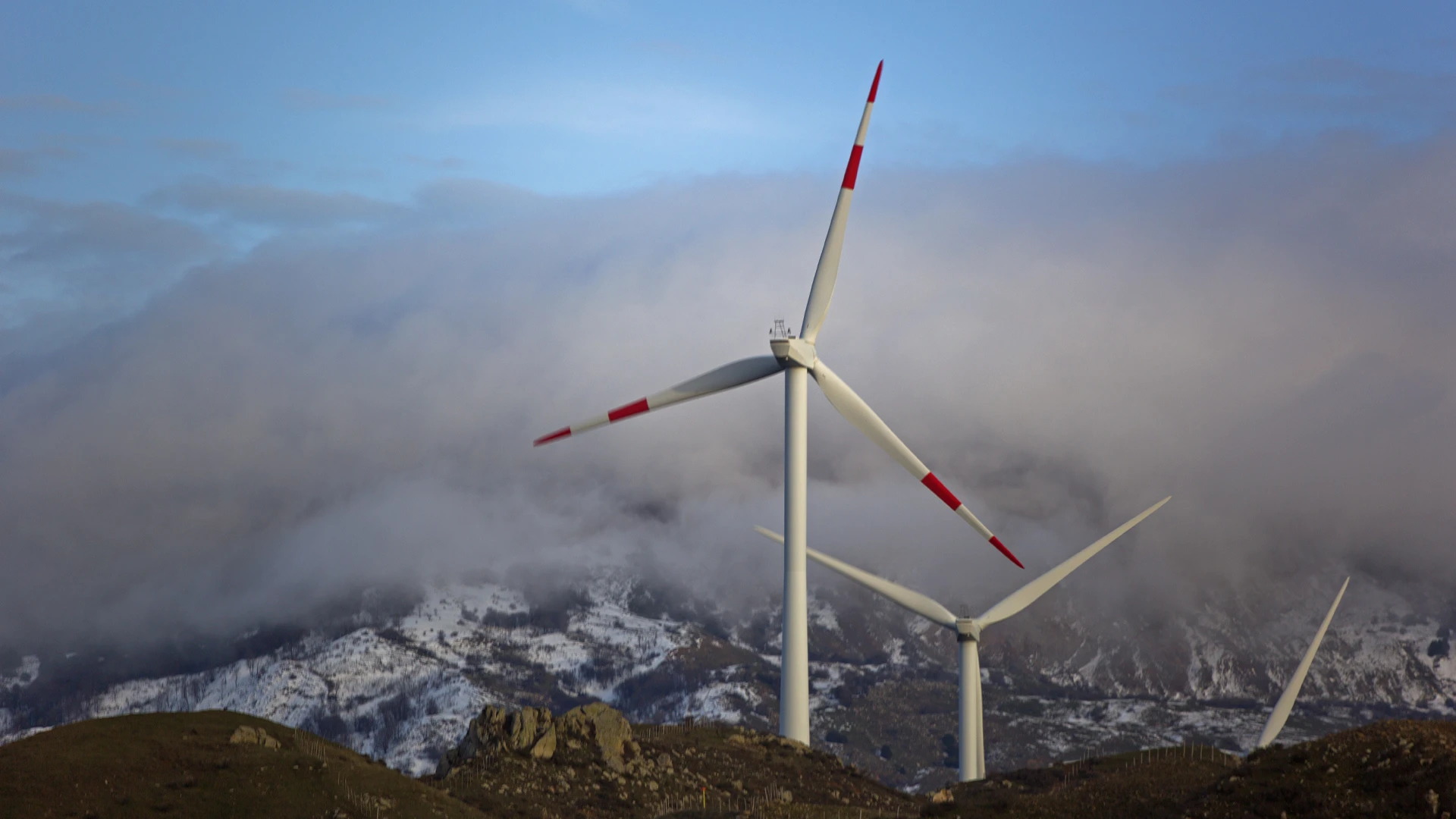
wind farm Mistretta cloudy sky

Commitment and responsibility

Sustainability means making choices and adopting behaviors that allow us to pursue our social goals, ensure long-term competitiveness and profitability, and enhance the interests of all stakeholders

We consider sustainable success and ESG criteria as key elements in shaping strategic and operational decisions and as fundamental drivers for medium-to long-term value creation.

Our strategic pillars

Our long-term sustainability goals for 2030 are framed within the broader company ambition to maintain a strong growth rate while consolidating our role as a leading player in the energy transition and a driver of innovation for the country, in line with the 3 pillars of our strategy.

Go to Strategy

Generation and flexibility

Thanks to the use of renewables and new technologies, we aim to achieve around 40% decarbonized electricity production by 2030.

Gas supply and green gas development

We contribute to the security of supply for the country, we provide solutions for the decarbonization of heavy and maritime transport and we are progressively transforming the gas portfolio thanks to an increasing share of decarbonized gases.

Customers and services

Thanks to our market leadership for the supply of energy commodities and services, we support customers and territories in electrification and decarbonisation.

employees meeting table hall

Stakeholder engagement

Dialogue with stakeholders is a key component of our way of doing business and forms the foundation of our cooperation with both internal and external stakeholders — from employees and collaborators, to communities and local areas, to suppliers, business partners and end customers/consumers. Their expectations and interests are taken into account in the Group’s strategy and objectives.

Find out more

Double materiality assessment process

Our Double Materiality assessment process was developed in accordance with the requirements set out by the Corporate Sustainability Reporting Directive (CSRD), and represented a key opportunity to deepen our understanding of both the impacts of our activities on people and the environment (from an “inside-out” perspective), and the risks and opportunities stemming from sustainability issues that affect our economic and financial performance (from an “outside-in” perspective). The Sustainability Division led the impact materiality analysis, engaging the most relevant stakeholder groups in order to identify the company’s significant impacts—whether negative or positive, actual or potential—on people or the environment, in the short, medium, or long term. The financial materiality analysis was coordinated by the Finance Division, with the support of the Sustainability Division, with the ultimate goal of identifying and assessing the sustainability-related risks and opportunities that are most relevant to the Group and its core businesses. 

Sustainability policies

We work to continuously integrate sustainability principles into our corporate structure, business model and daily operations, with the goal of driving the sustainable energy transition for our customers, suppliers and communities. We have made our Sustainability practices concrete through the development of specific policies, in which we have outlined our commitments, practices and processes, as well as control mechanisms, governance and procedures for reporting non-compliance.

Find out more
hands documents employees meeting
virtual financial chart

ESG rating

A measure of the effectiveness of the actions undertaken in our corporate sustainability journey can also be seen in our ESG rating performance. We believe in the value of transparency towards our stakeholders and every year we are strongly committed to reporting on all ESG aspects.

Find out more

EU Environmental taxonomy

The EU Environmental Taxonomy is an EU regulation that supports the achievement of environmental goals by providing a common language and clear criteria to define which economic activities can be considered sustainable. Edison annually carries out a mapping of its activities, classifying those that are eligible and aligned with the EU Environmental Taxonomy. The regulation identifies which economic activities are considered eligible and also provides the criteria that these activities must meet to be considered aligned. Activities aligned with the EU Taxonomy must significantly contribute to at least one of the six sustainability objectives defined by the regulation, without harming any of the other five objectives, while also complying with minimum safeguards for human and social rights in accordance with international guidelines. 
 
Edison’s aligned activities are primarily related to the generation of electricity from renewable sources (wind, hydro, and solar) and to energy efficiency and environmental services for residential, industrial and public administration clients.
INDICATORS OF EU TAXONOMY ELIGIBLE AND ALIGNED ACTIVITIES 2024 (%)
Bar chart with 2 data series.
The chart has 1 X axis displaying categories.
The chart has 1 Y axis displaying values. Data ranges from 7 to 67.
End of interactive chart.