Skip to content
Home Who we are Our history The past and future come together i...
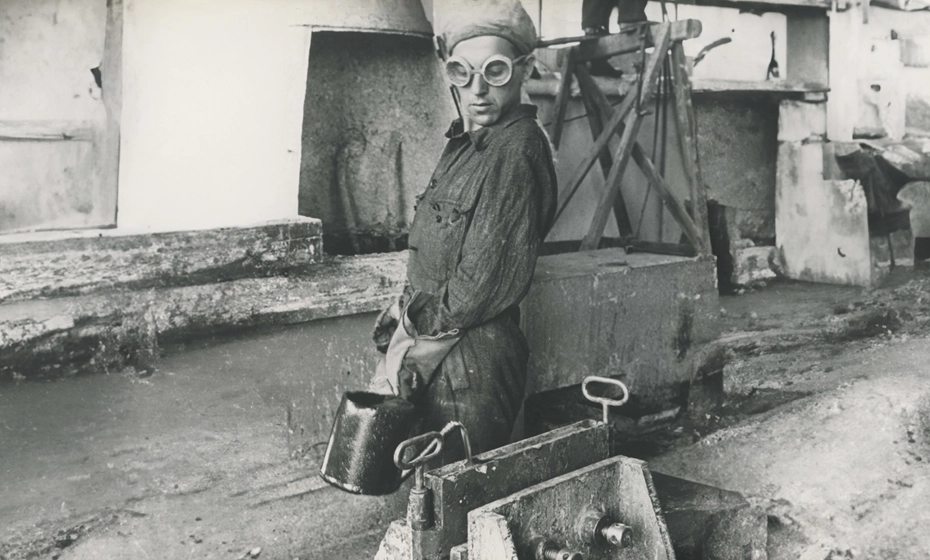
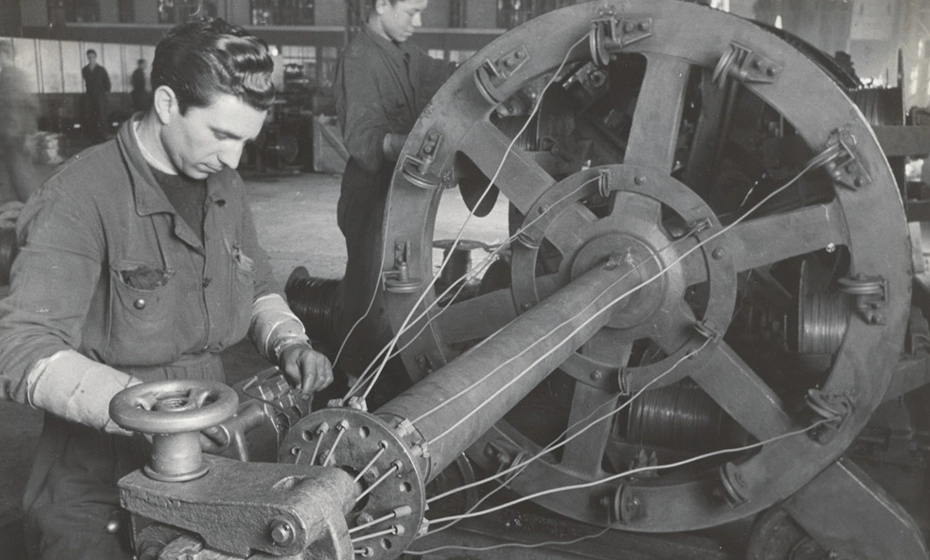
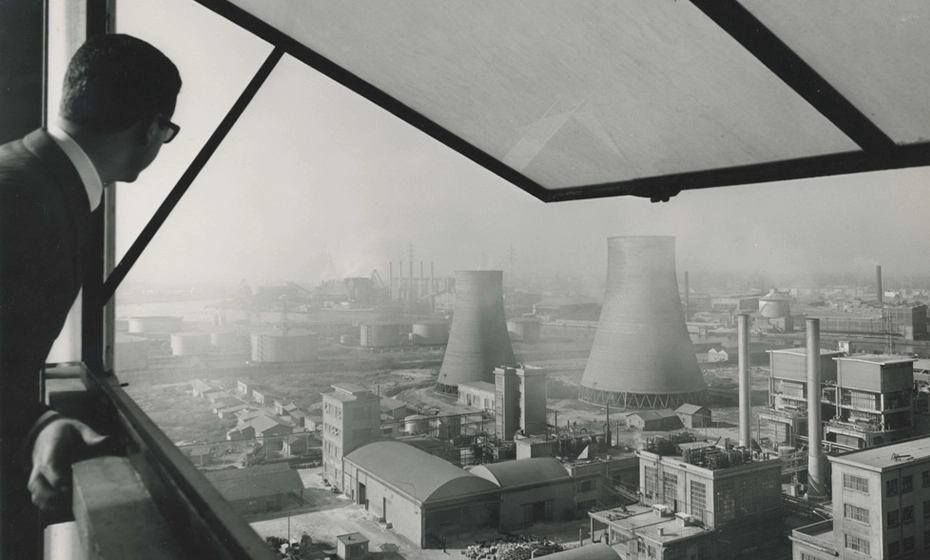
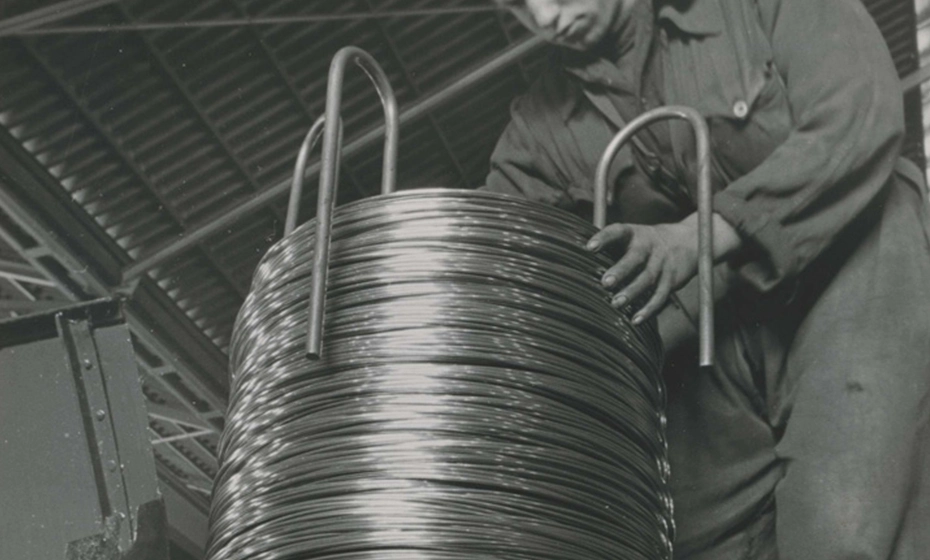
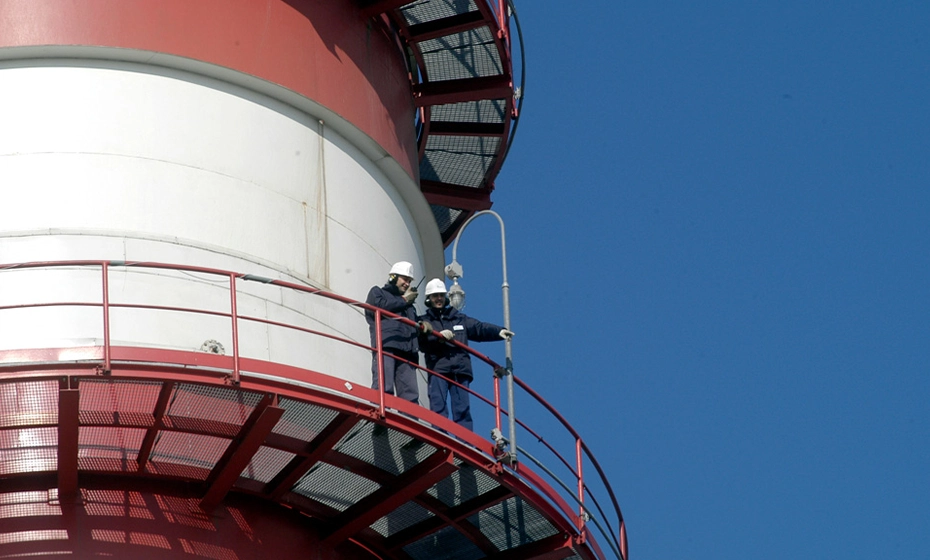
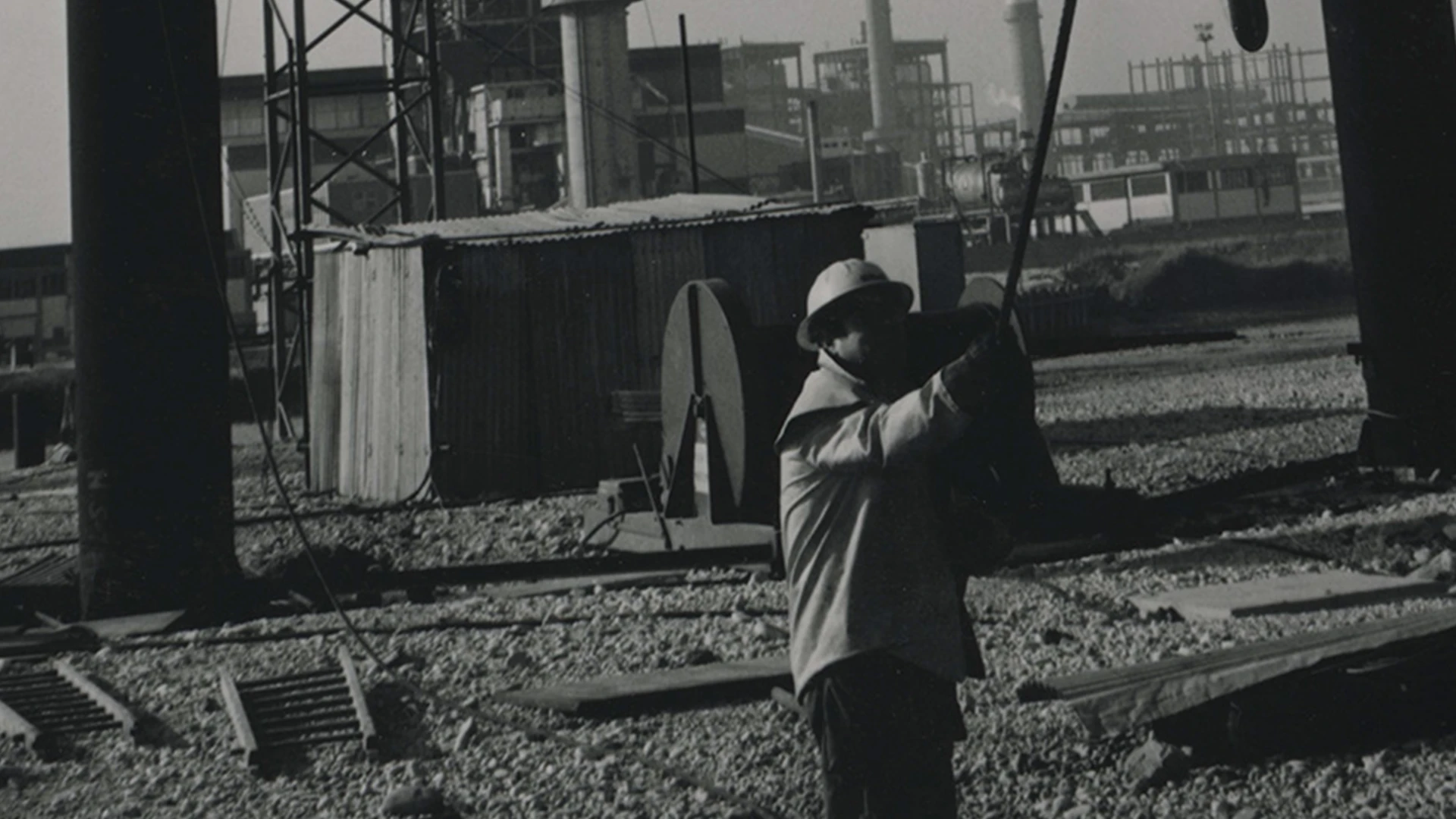
worker in charge of the construction of the Porto Marghera plant
THE PAST AND FUTURE COME TOGETHER IN PORTO MARGHERA

A century of industrial history told through images from the Edison Photographic Archive

Forte Marghera

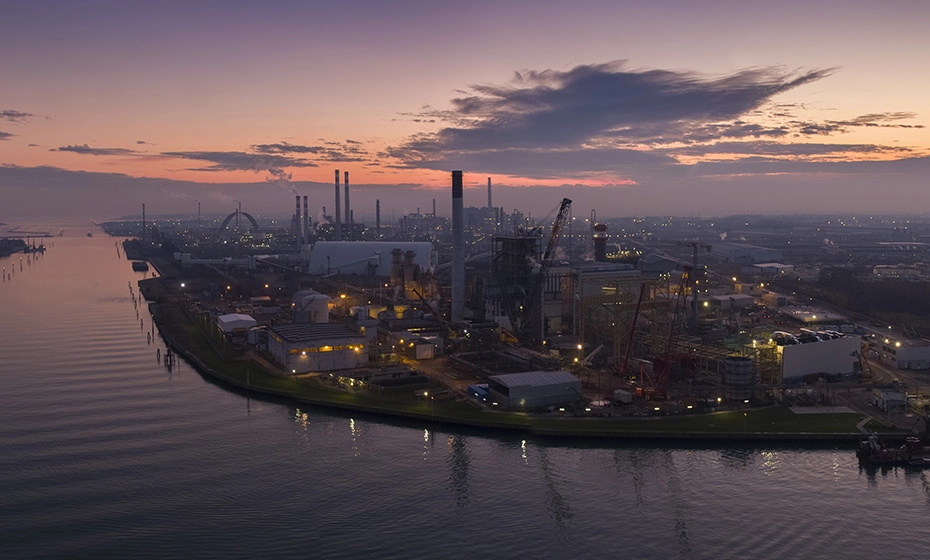
The first initiative undertaken by the Edison Committee in Venice dates back to the summer of 1882, with the lighting of the S.A. Cotonificio Veneziano factory.  Beginning in 1920, new land was acquired for the construction of a new industrial zone.  This marked the beginning of a relationship that has lasted more than a century. 
 
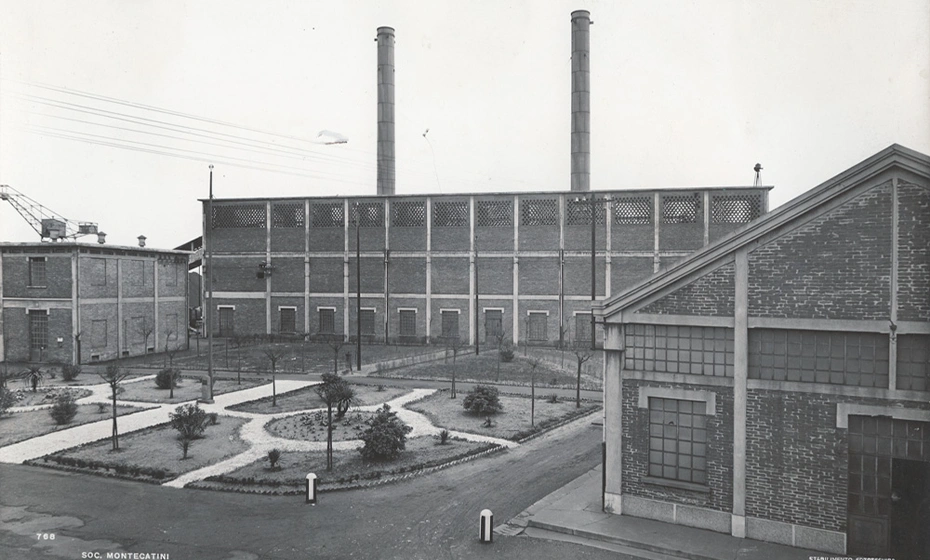
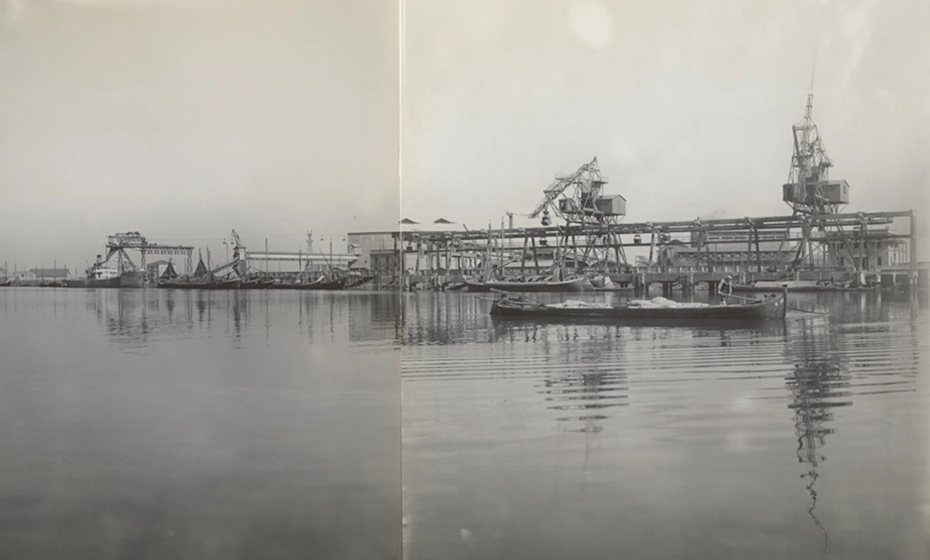
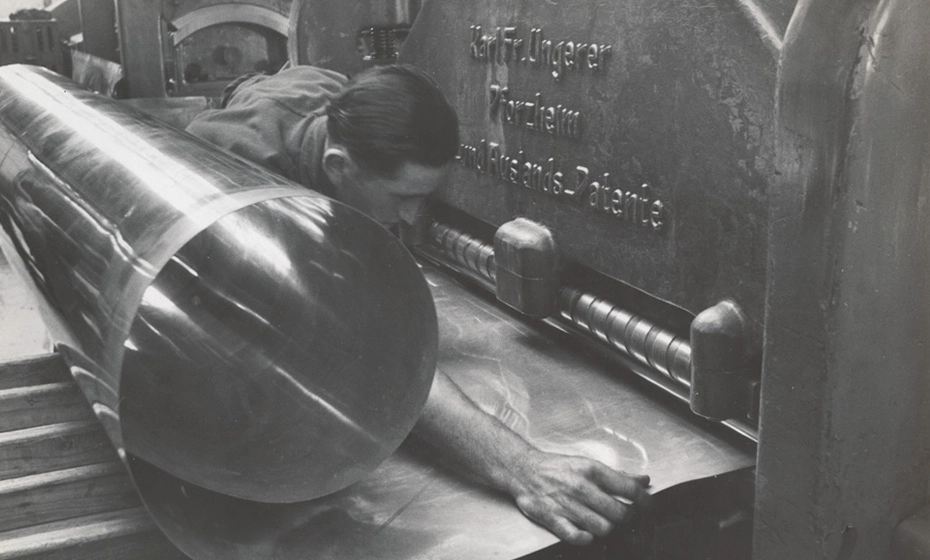
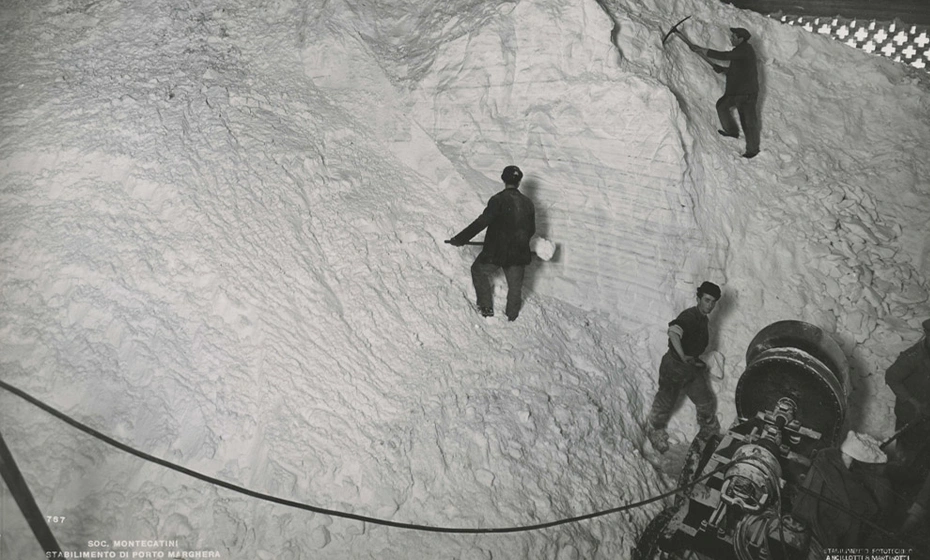
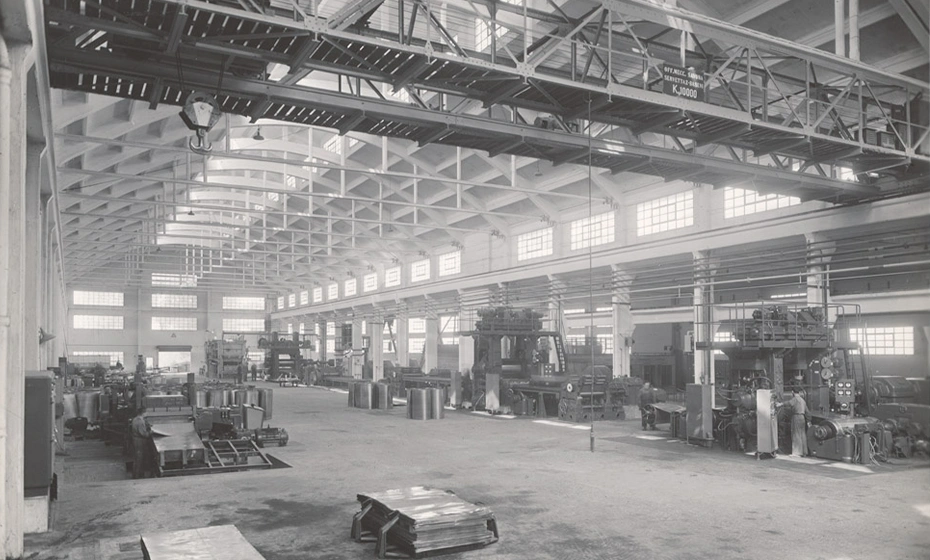
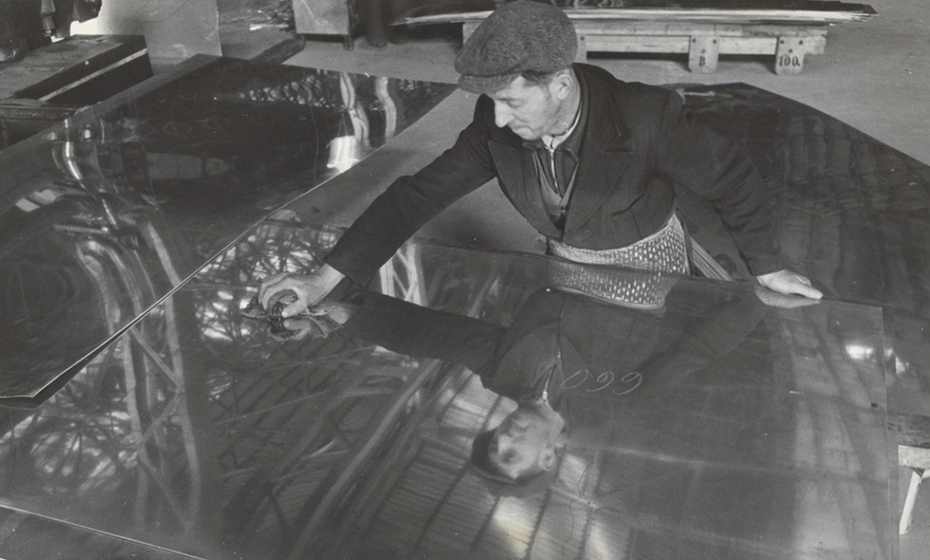
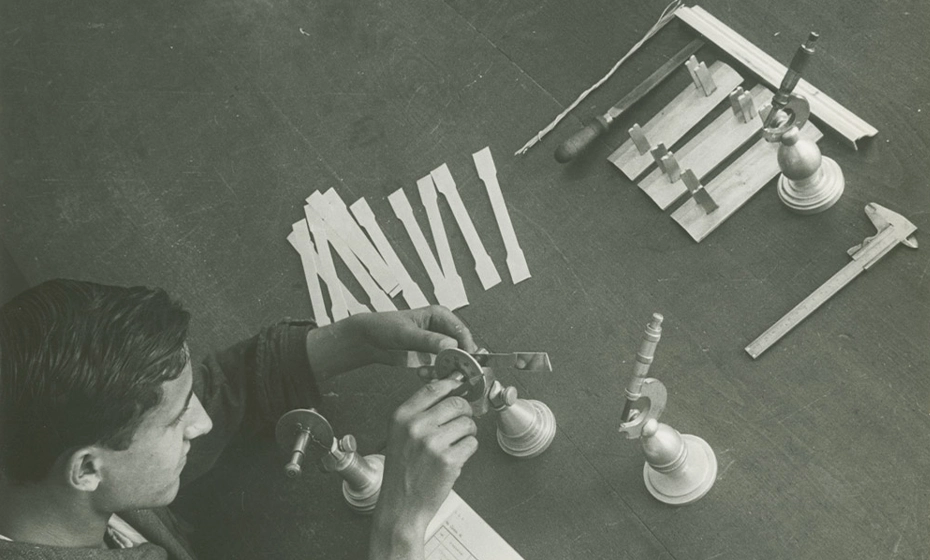
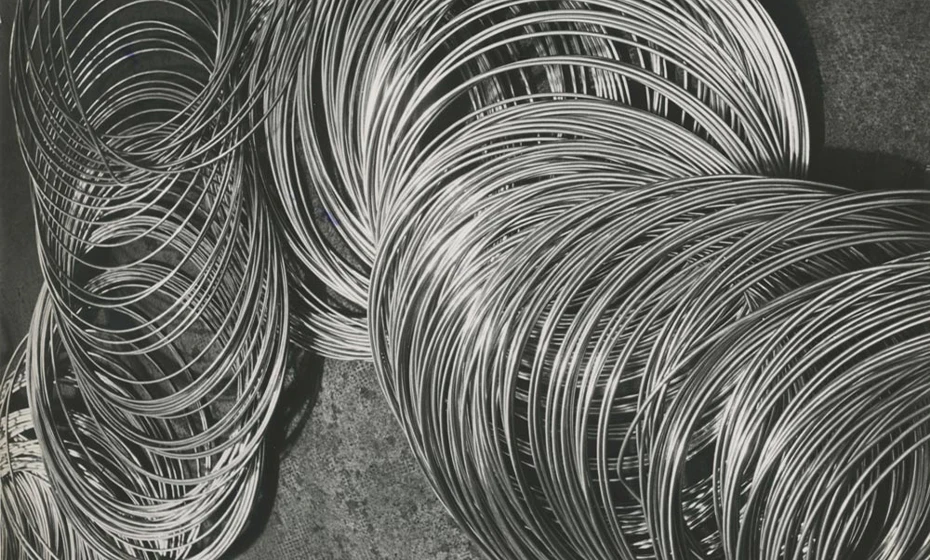
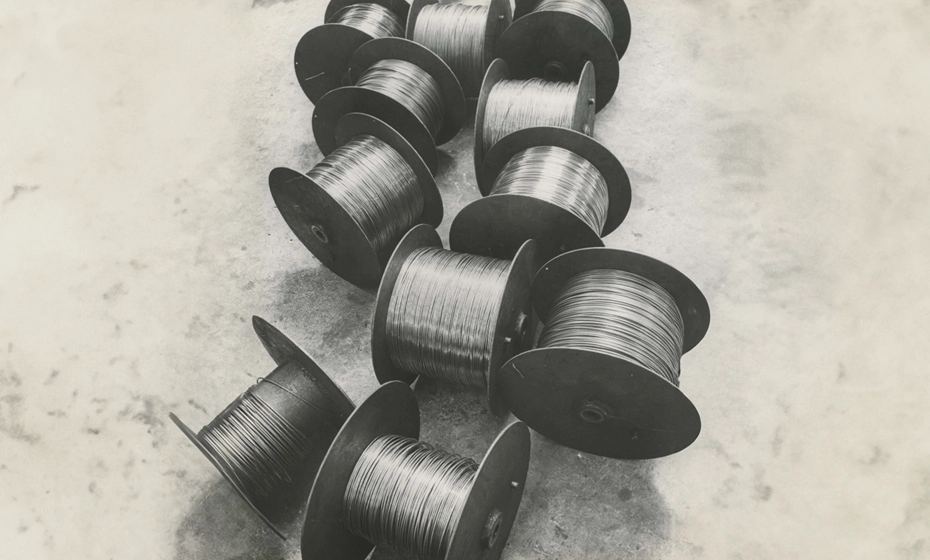
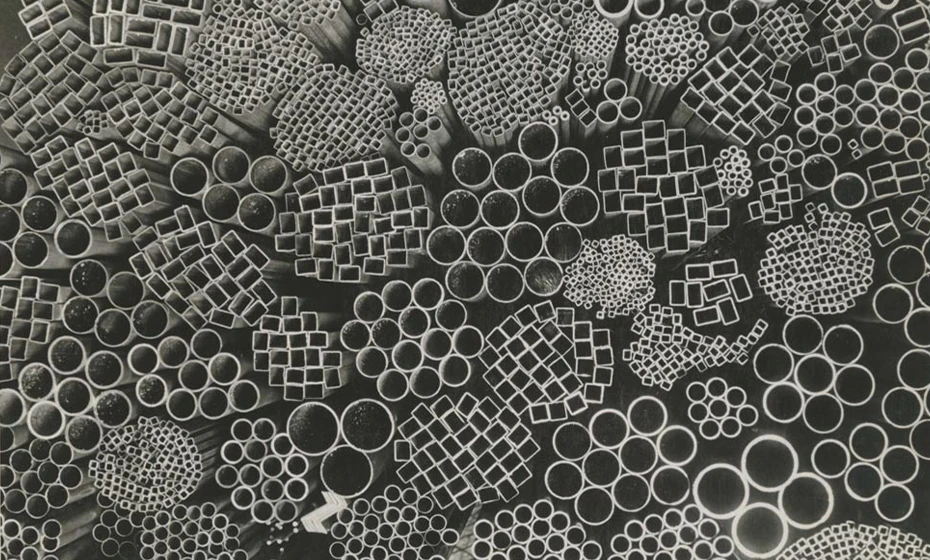
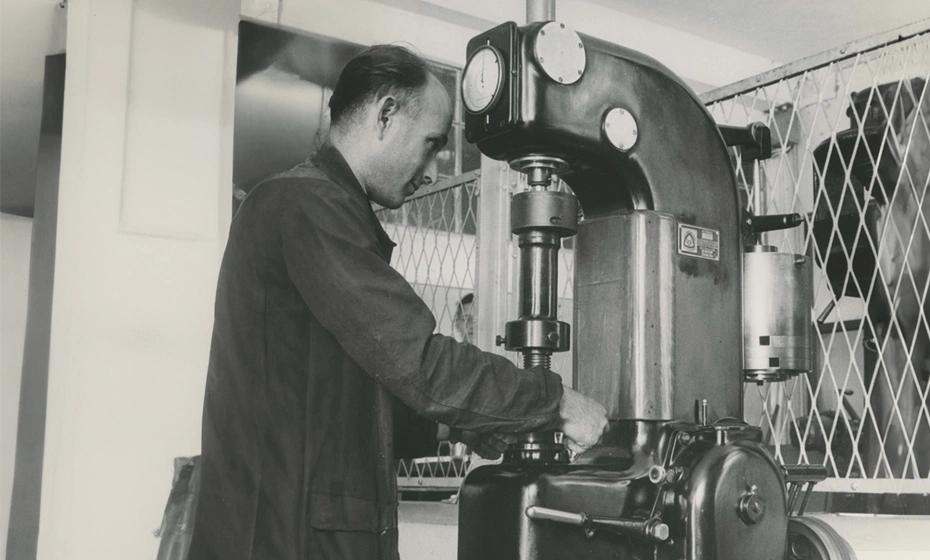
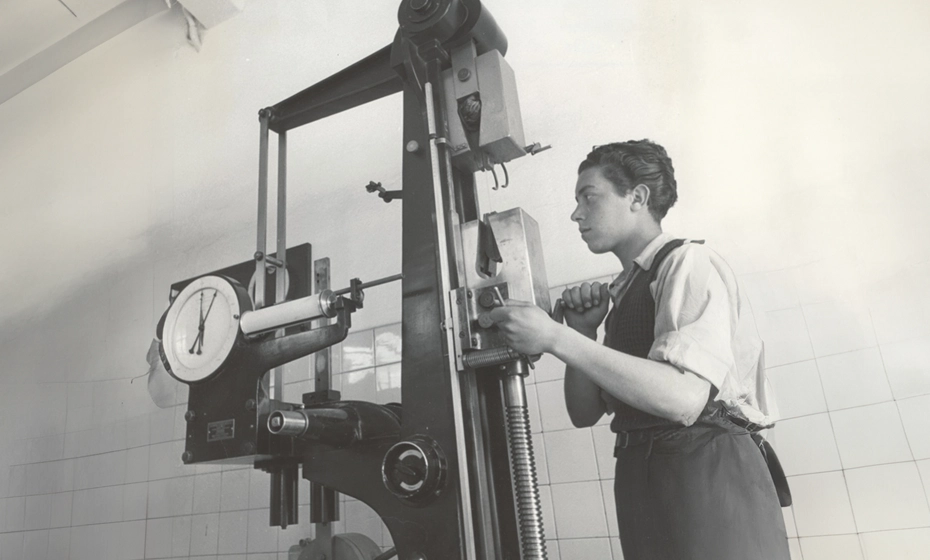
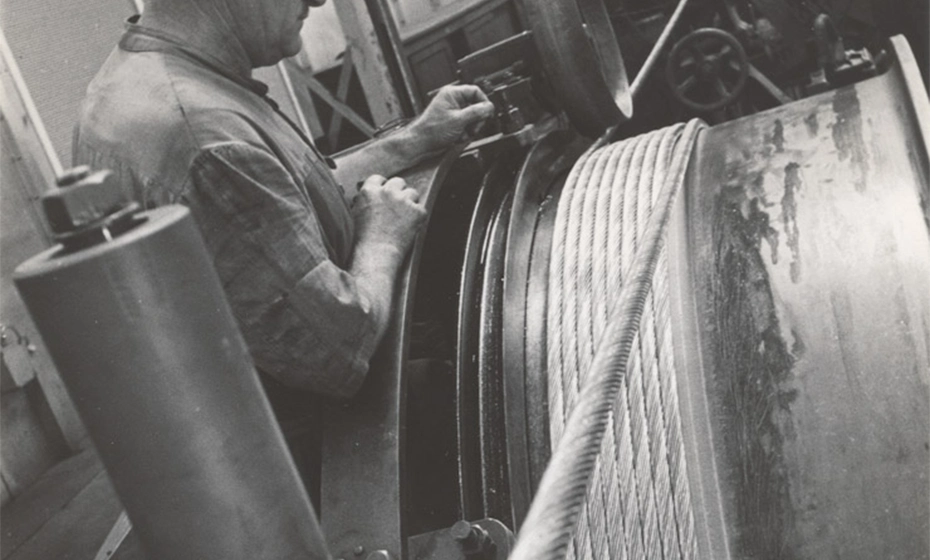
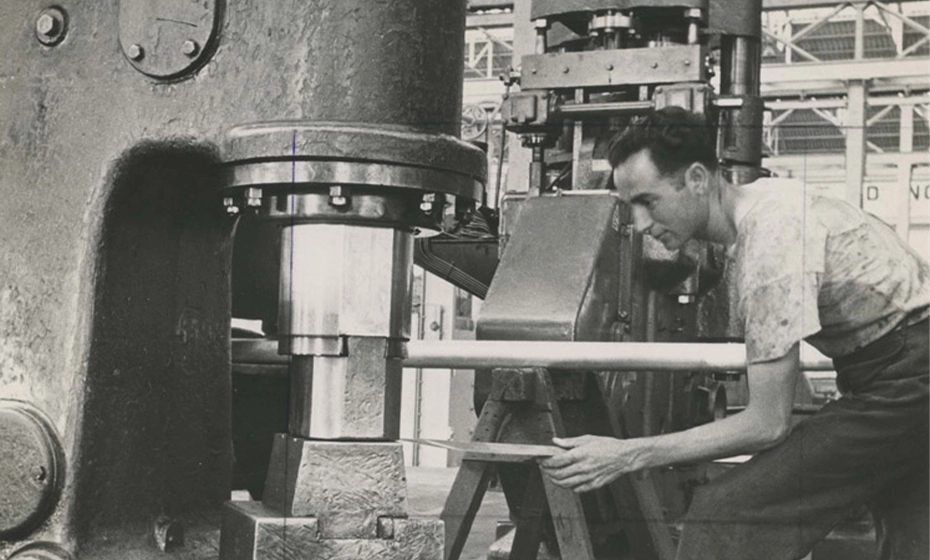
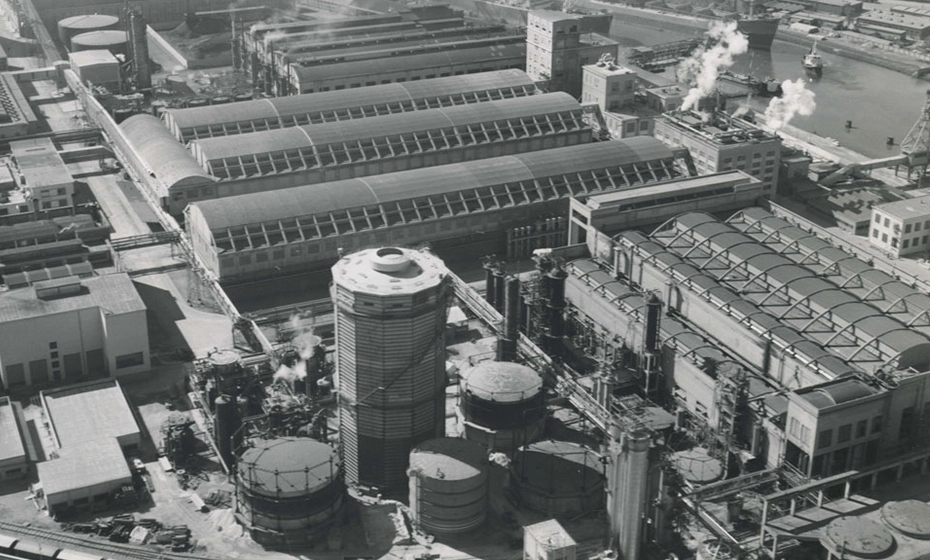
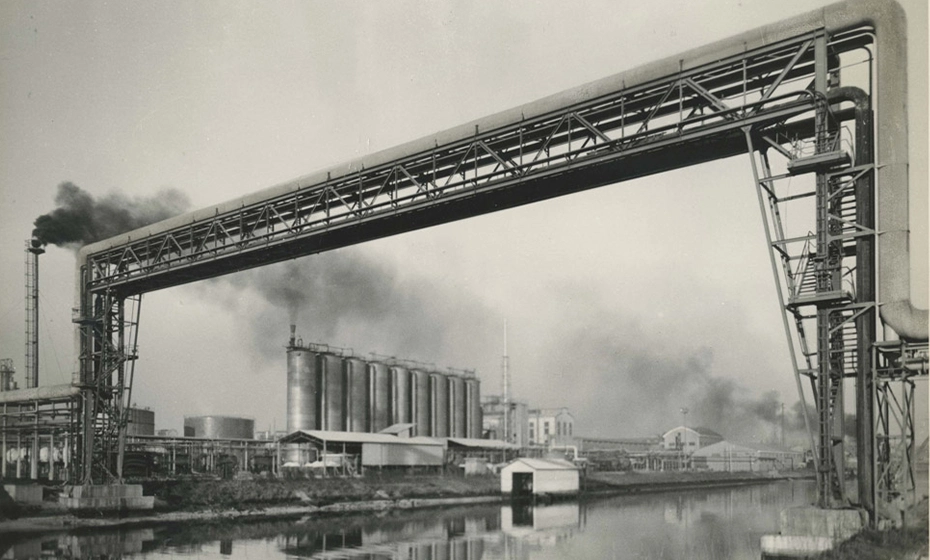
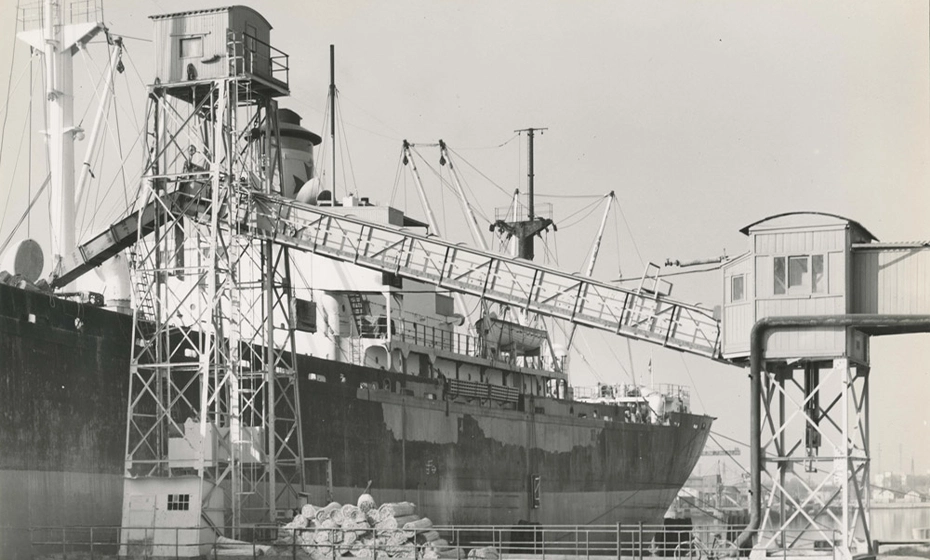
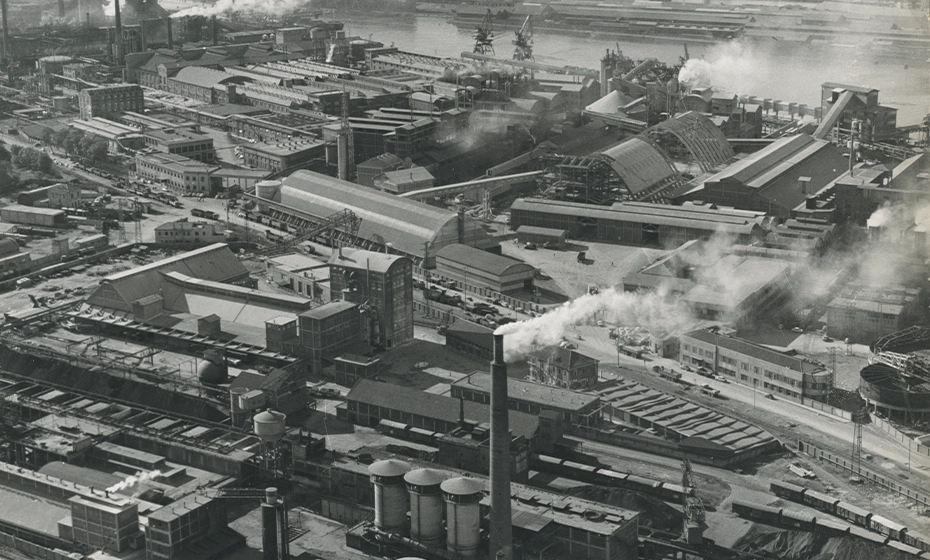
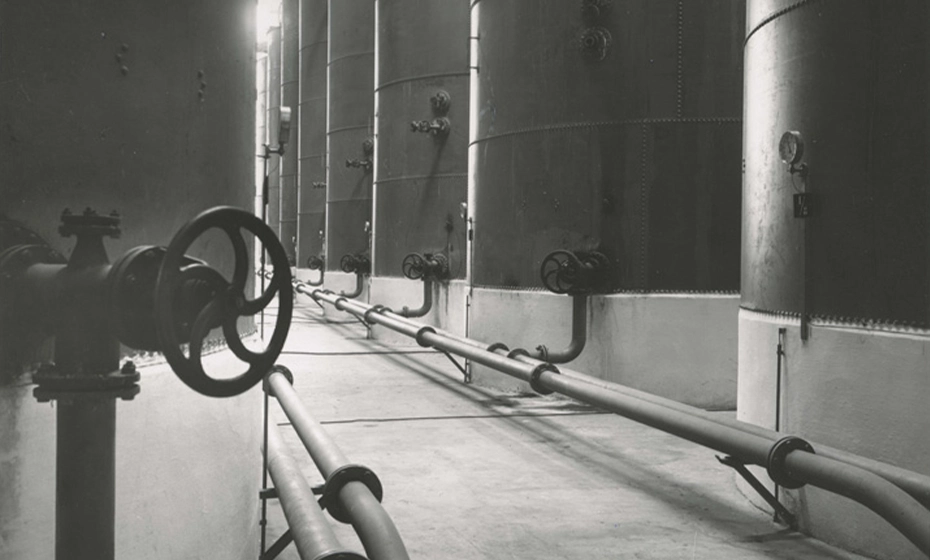
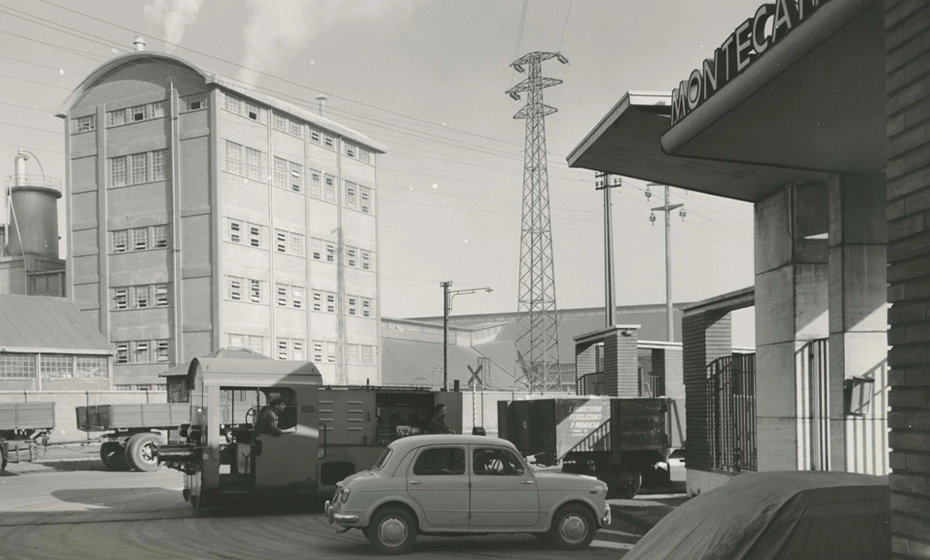
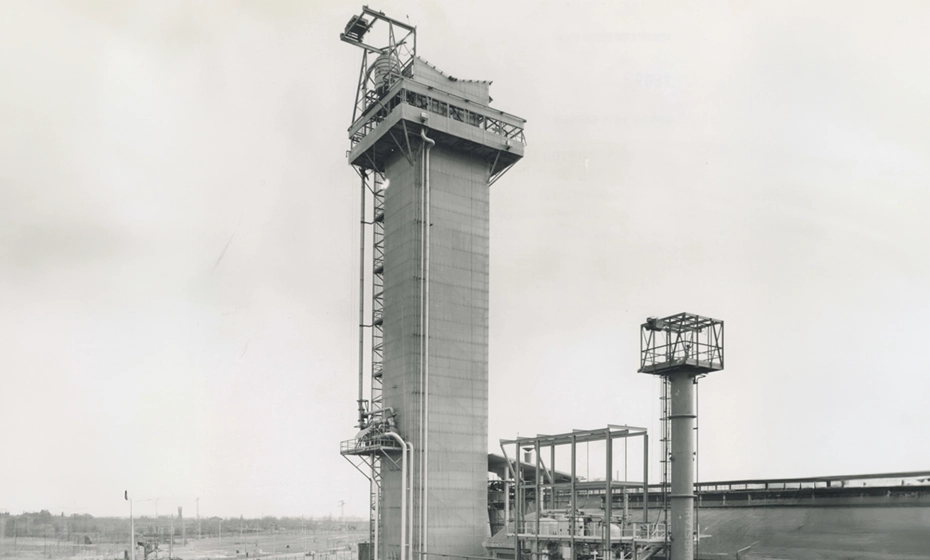
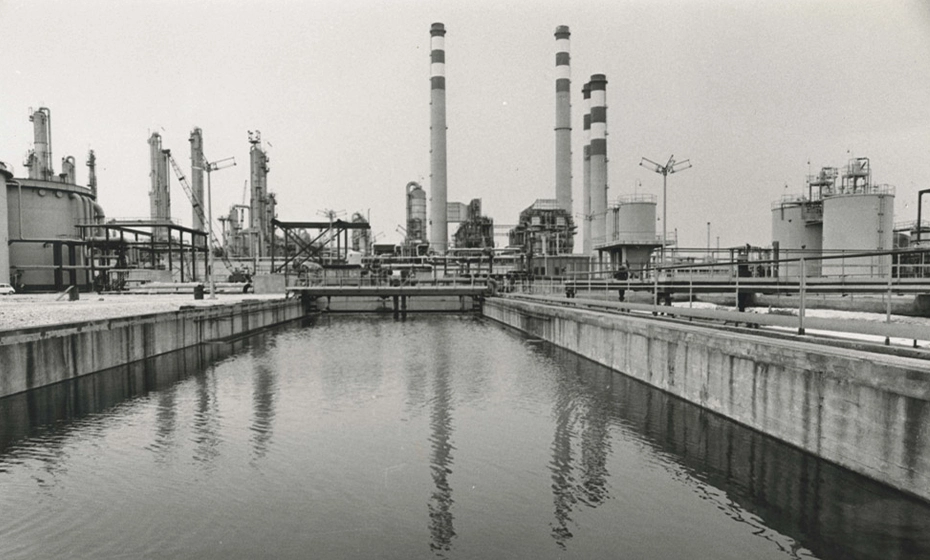
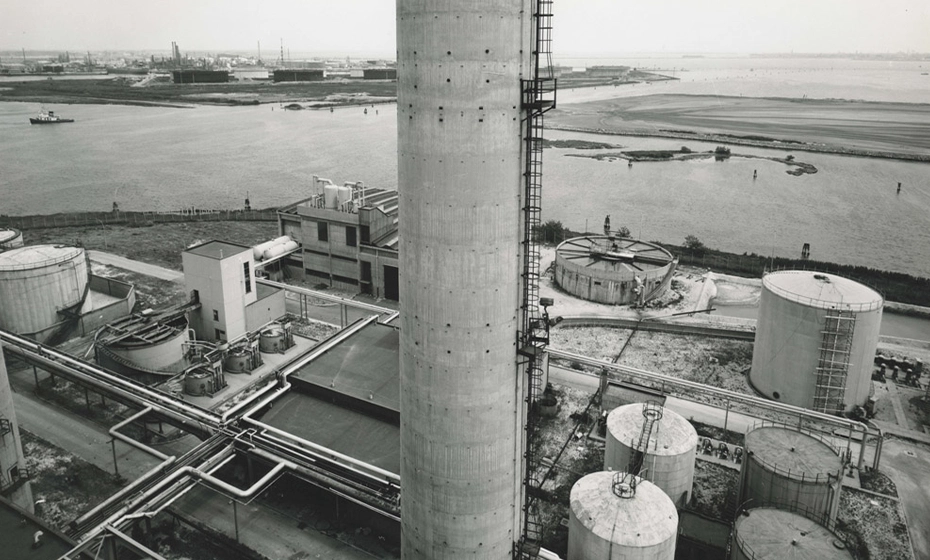
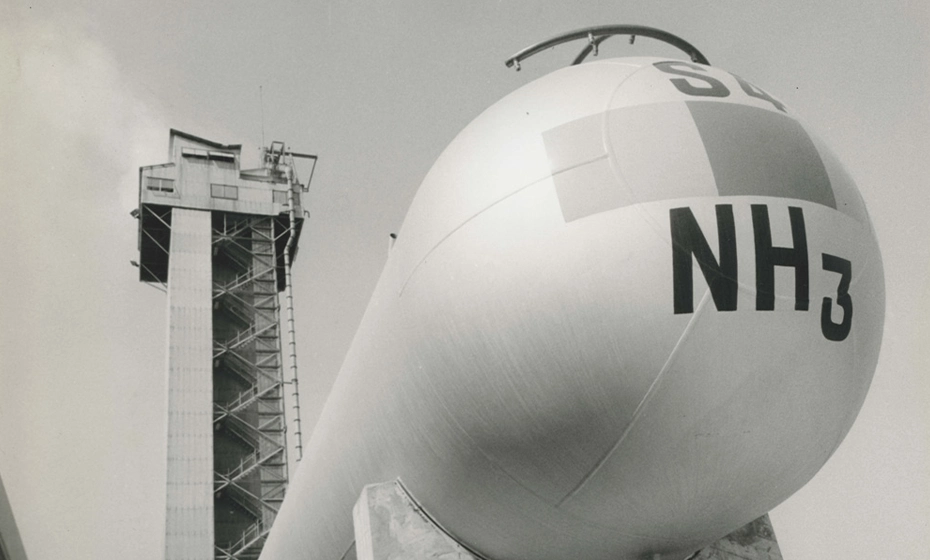
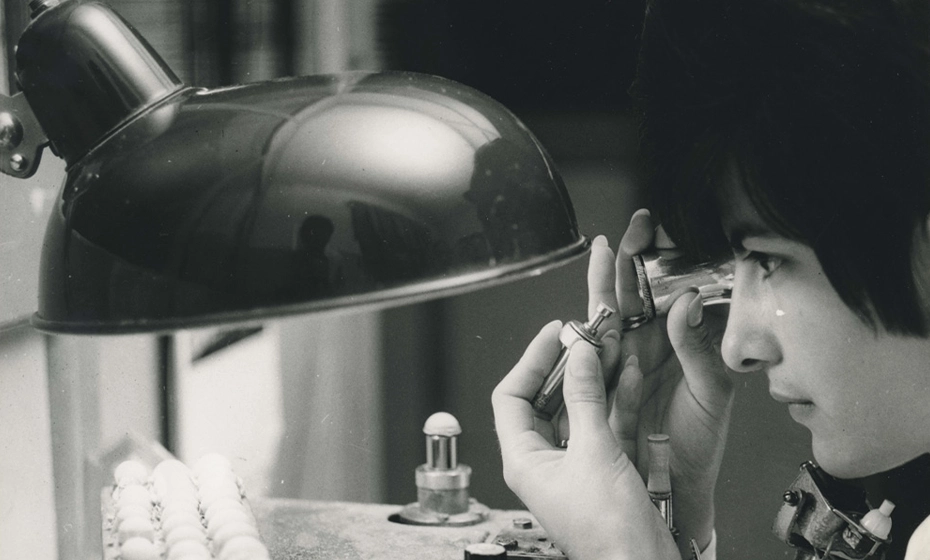
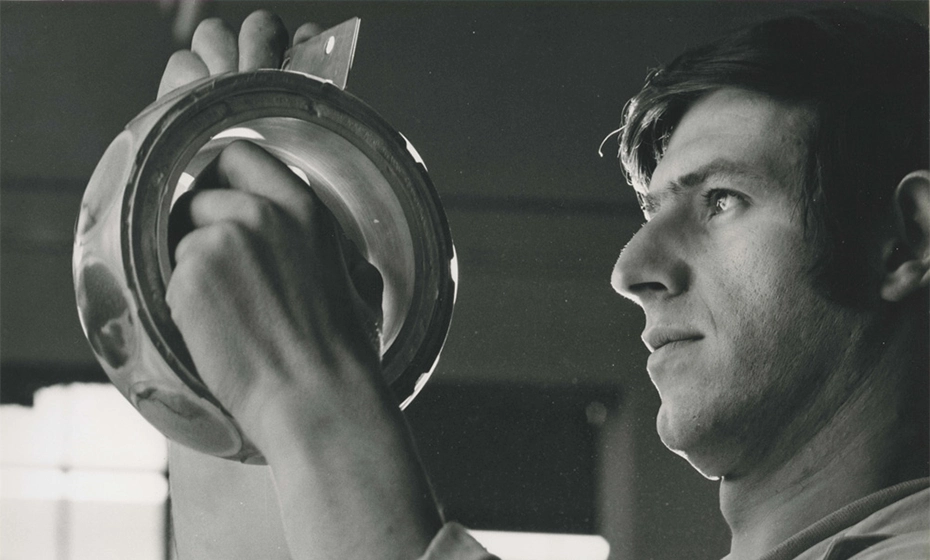
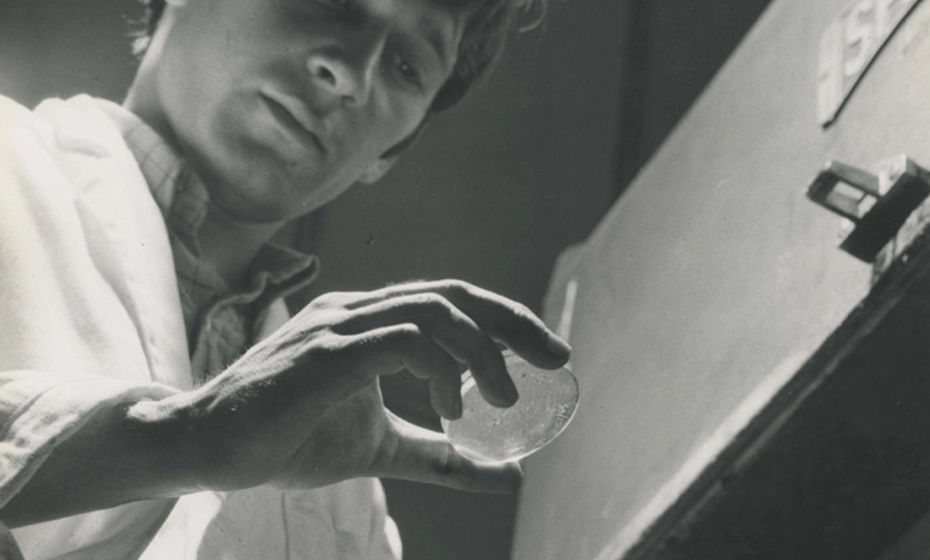
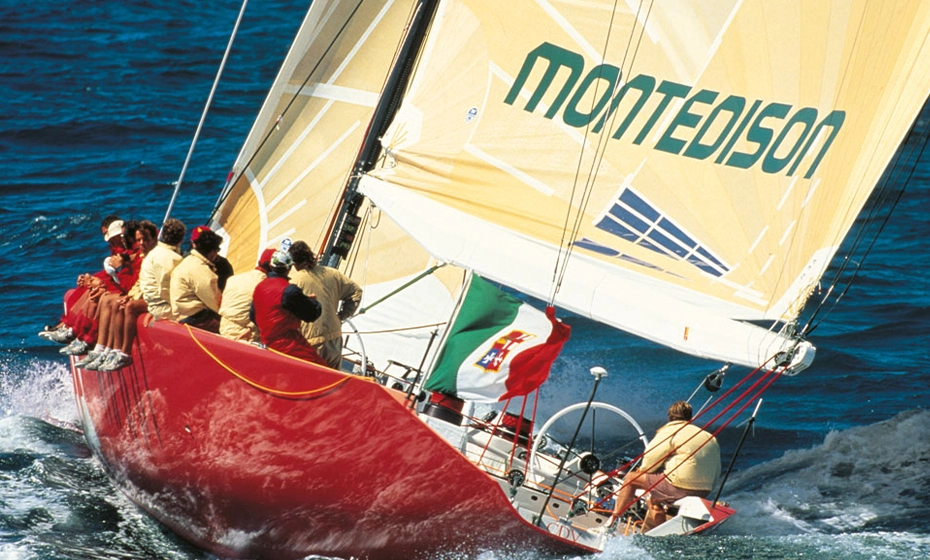
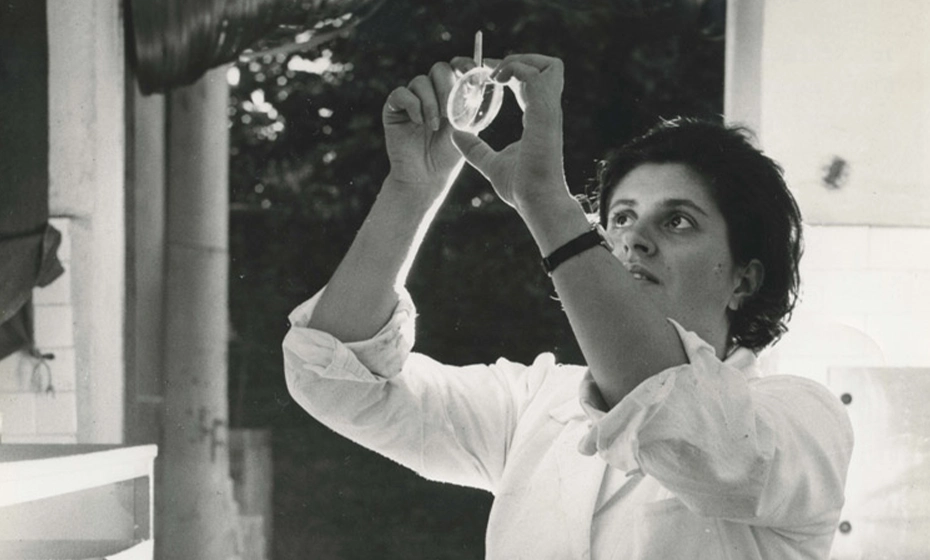
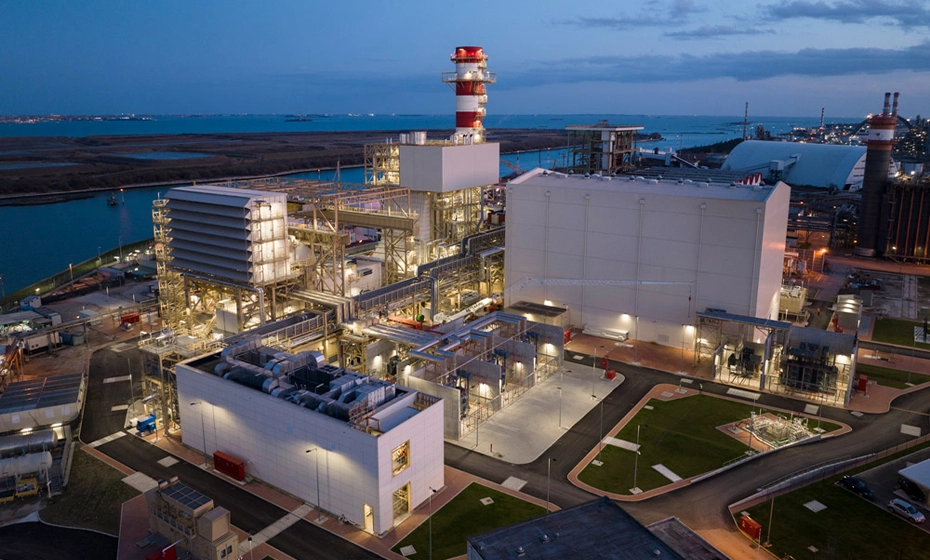
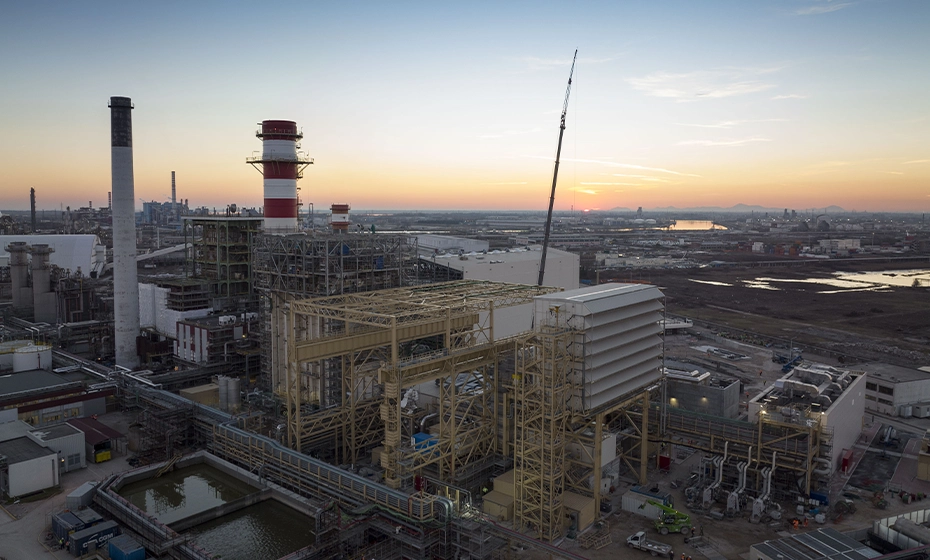
The total refurbishment of the Marghera Levante thermoelectric power plant offered an opportunity for Edison to document a century of industrial activity in Porto Marghera through a collection of images from the Edison Photographic Archive. More than 250 photographs document industrial activities on the site by Montecatini, Edison, Montecatini Edison (later Montedison) and affiliated companies, mostly concerned with production in the chemical, petrochemical and iron and steel industries, and the places where the plants were located, with a focus on the human element. 
 

From the origins to the war 

A new industrial hub was built on the Bottenighi sandbanks, on order of Piero Foscari, Giuseppe Volpi and the mayor of Venice, Filippo Grimani, with the support of banks and companies as well as state funding. Because of the modern infrastructure available and its favourable geographic location, the site was also considered of interest by 'Montecatini' Società Generale per l'Industria Mineraria ed Agricola (Montecatini General Society for the Mining and Agricultural Industry), which, led by Guido Donegani, the architect of the company's entry into the chemicals industry, decided to purchase land for the construction of new plants in 1920. 

1922/24 - 1945

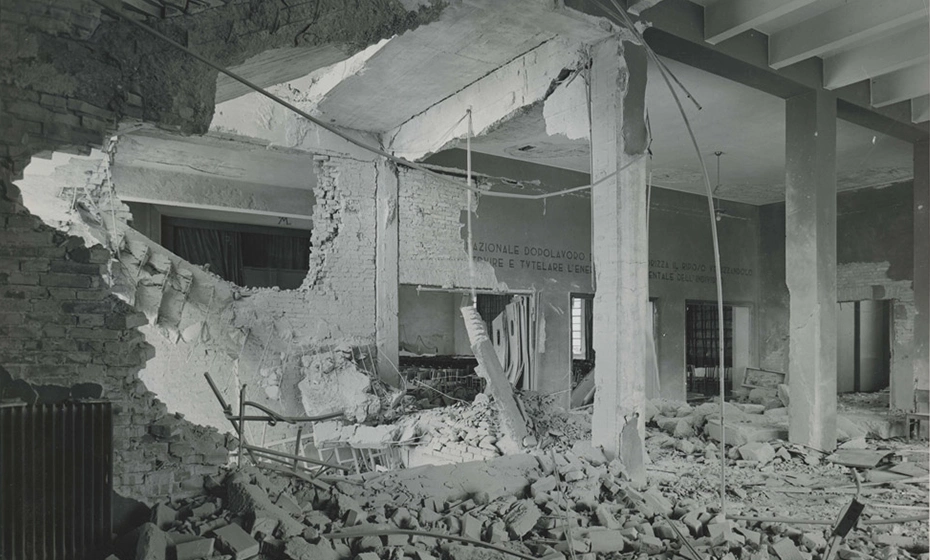
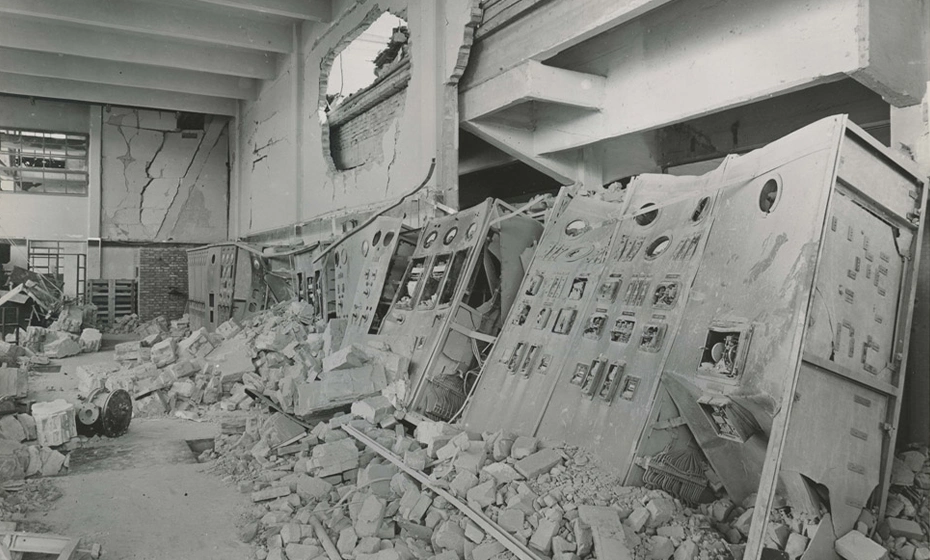
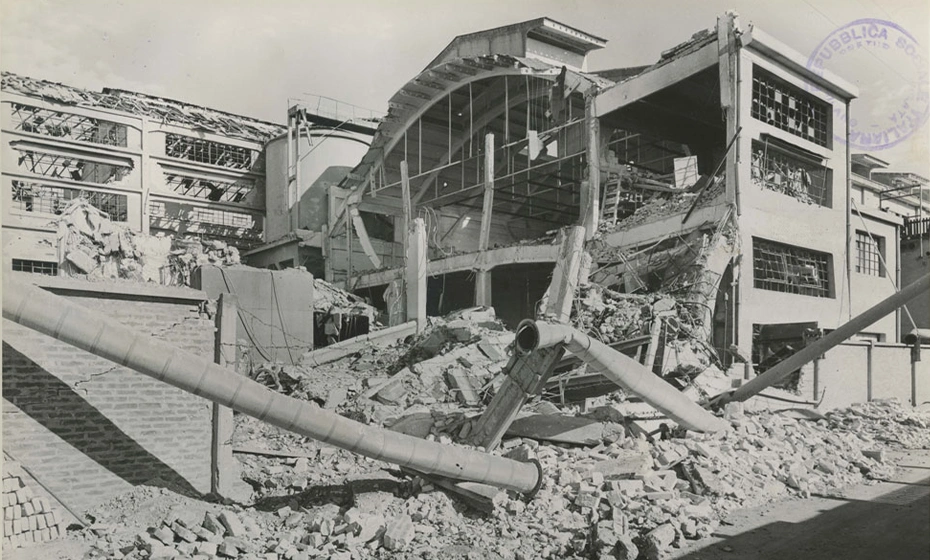
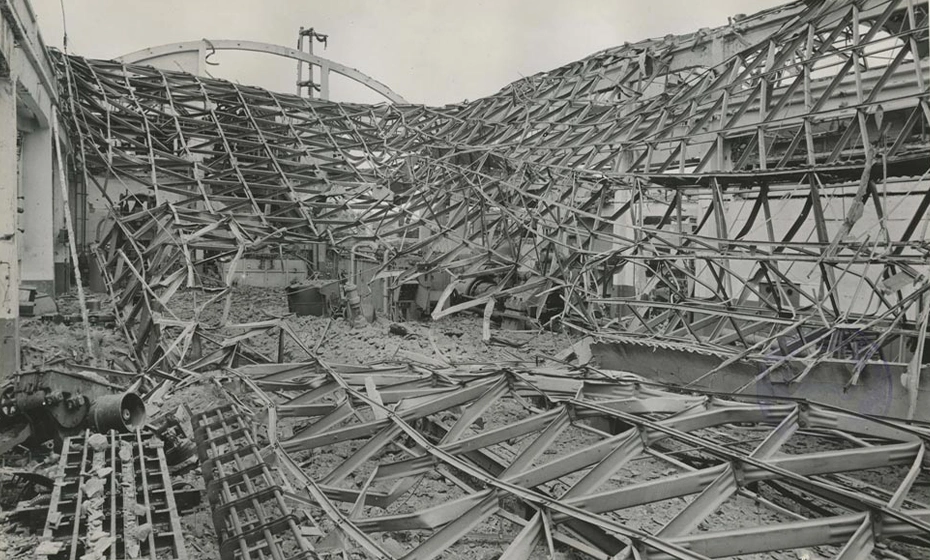
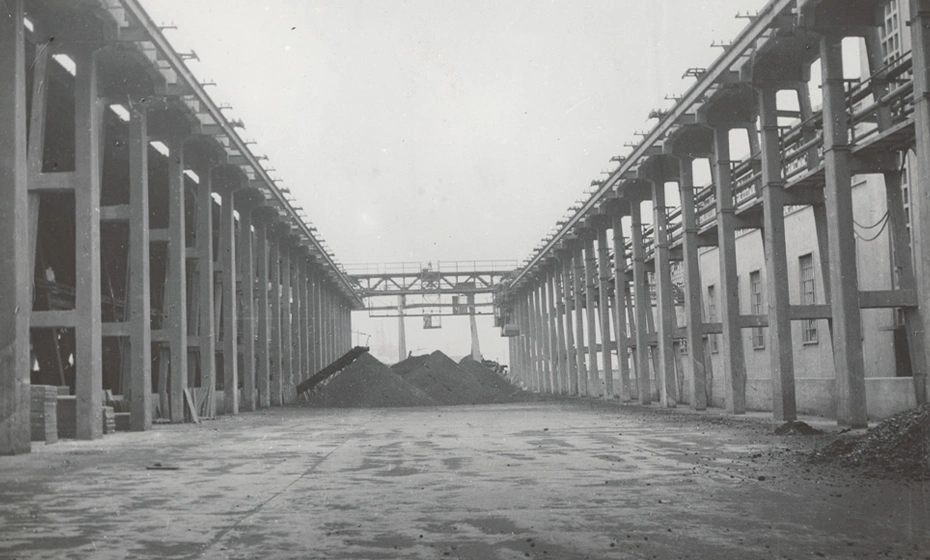
Construction began in 1922, and from 1924 chemical and steel plants began to spring up in the First Industrial Zone. When Italy entered World War II, the importance of the area could not escape the Allies, who undermined its productive capacity through heavy aerial bombardment. 
Reconstruction and development 
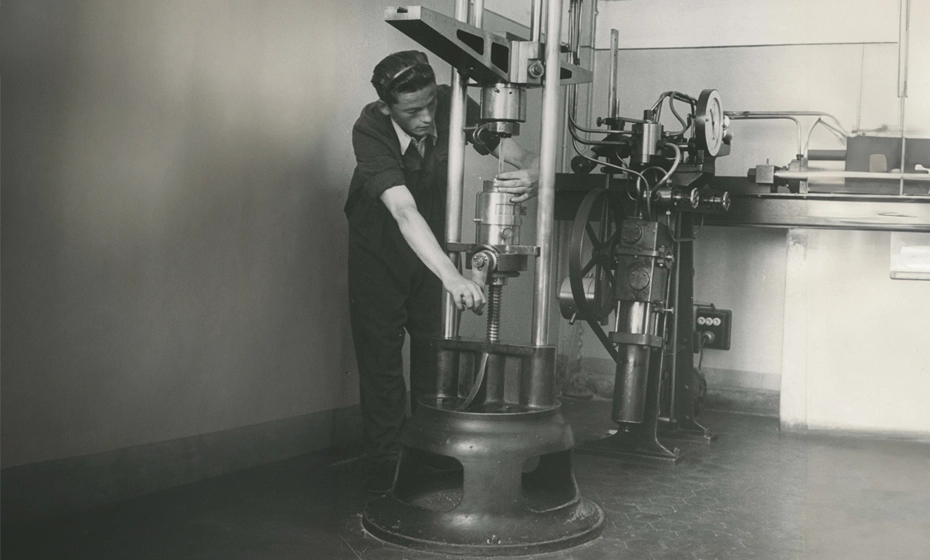
At the end of the Second World War, while Montecatini proceeded with the restoration of plants heavily damaged by the war, a new player came to Porto Marghera in 1946. The increasing likelihood of nationalisation of electricity convinced Edison, led by Piero Ferrerio and Giorgio Valerio, to diversify its business, focusing on the chemicals industry, which was booming at the time. 

1946 - 1957

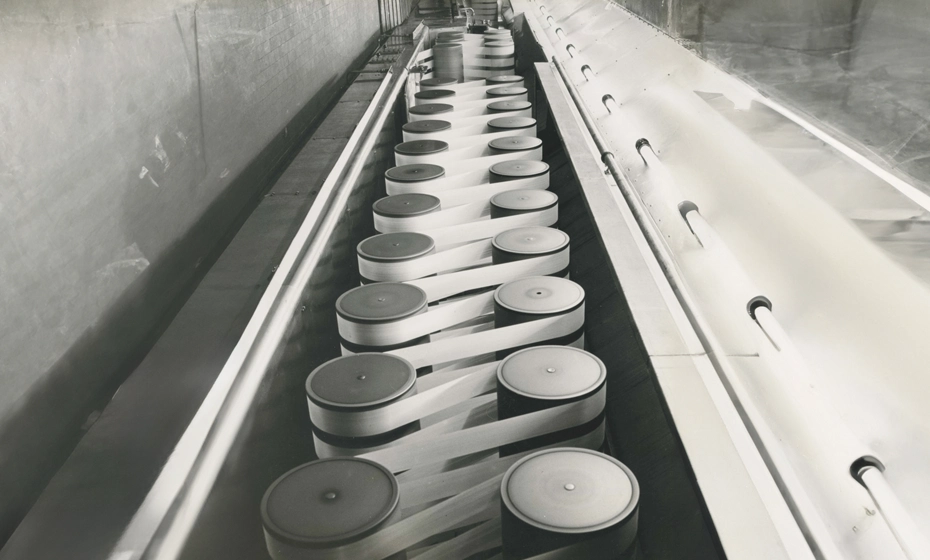
After the Second World War Edison, together with Italian and foreign partners, set up several companies specialising in the production of fertilisers, plastics and artificial textile fibres. 

The “plastic years” 

These were the so-called 'boom years' (1958-1963), when increasing prosperity came to ever larger sections of the population. Montecatini became better known to the mass market, also thanks to the silver screen, where advertisements introduced the television audience to Moplen, the commercial name given to isotactic polypropylene, invented by Giulio Natta, Nobel Prize winner for chemistry in 1963. 

1958 - 1965

In Porto Marghera in 1959, ACSA (Applicazioni Chimiche Spa), an Edison Group company, launched the first artificial acrylic fibre to be made in Italy, Leacril. In 1962, the nationalisation of electricity became a reality and Edison diversified its investments. 
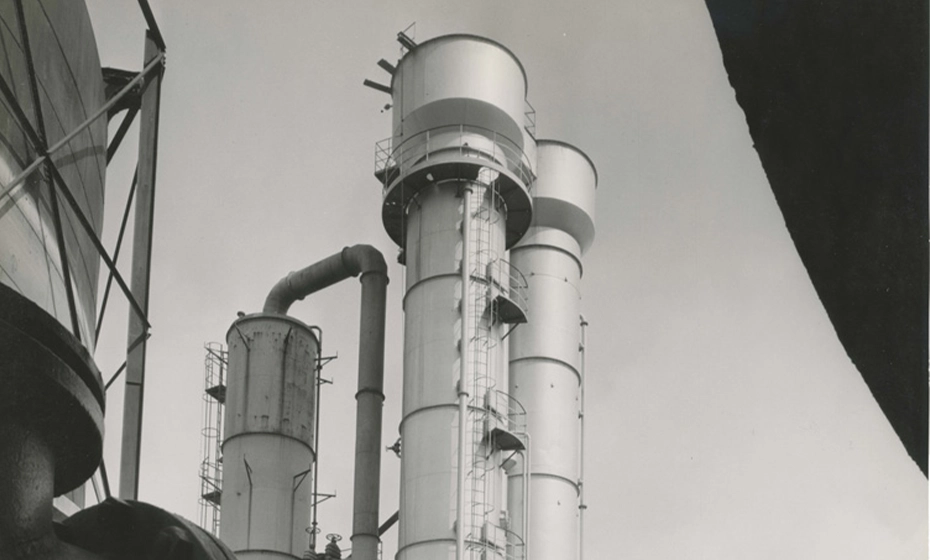
'I would give the whole of Montedison for a firefly' 
Pier Paolo Pasolini
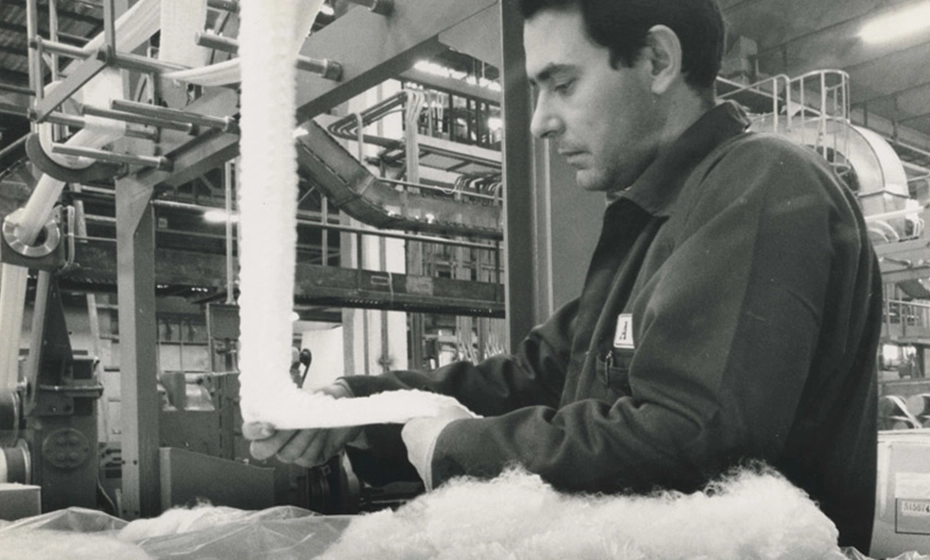
Following the nationalisation of the industry in 1962, Edison acquired control of Montecatini in July 1966. The spheres of business of the Montecatini Edison Spa group (which later became Montedison) thus ranged from chemicals to petrochemicals, from pharmaceuticals to dyes, from artificial fibres to large-scale distribution, from foodstuffs to mining and metallurgy, and much more. And this is how one of the world's largest petrochemical giants was born. Italy had become a country of mass consumption, as denounced by Pier Paolo Pasolini. Though the 'boom years' were over and the first signs of crisis loomed on the horizon, the economy continued to grow, albeit with some slowdowns, at least until the 1973 oil crisis. 

1966 - 2001

These were years of great social conflict, when political extremism flourished. This had an impact on Montedison. After the time known as the “years of lead” in Italy, the judiciary took an interest in the impact of petrochemicals on people and the environment. The Group's adventure in chemicals came to an end in 1997. 

New plants for new challenges 

The new millennium brought new global challenges: climate change, the need for careful, conscientious use of resources, innovation and the energy transition are all issues with broad public support. In 2002, the merger of Montedison, Edison, Sondel and Fiat Energia created a new company that retained the name Edison Spa, since 2012 a subsidiary of EDF (Électricité de France SA). 

2002

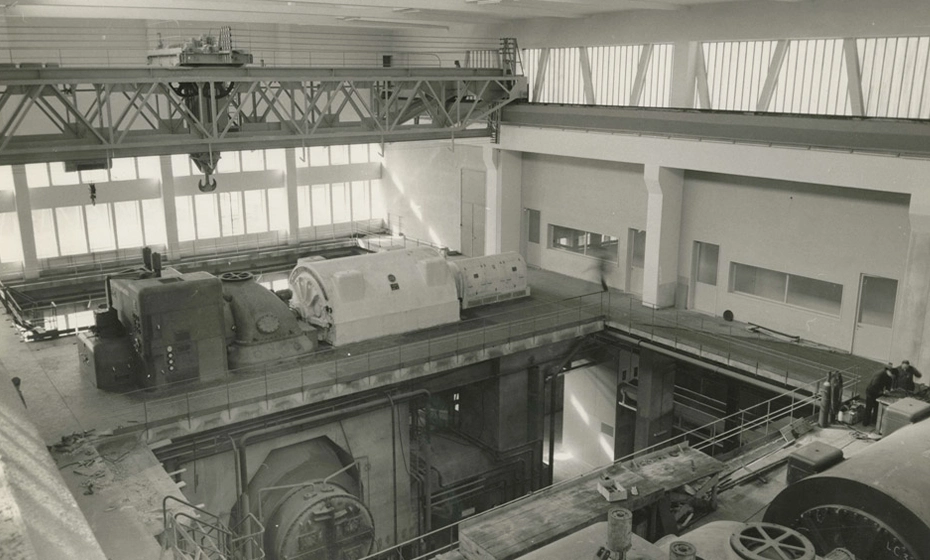
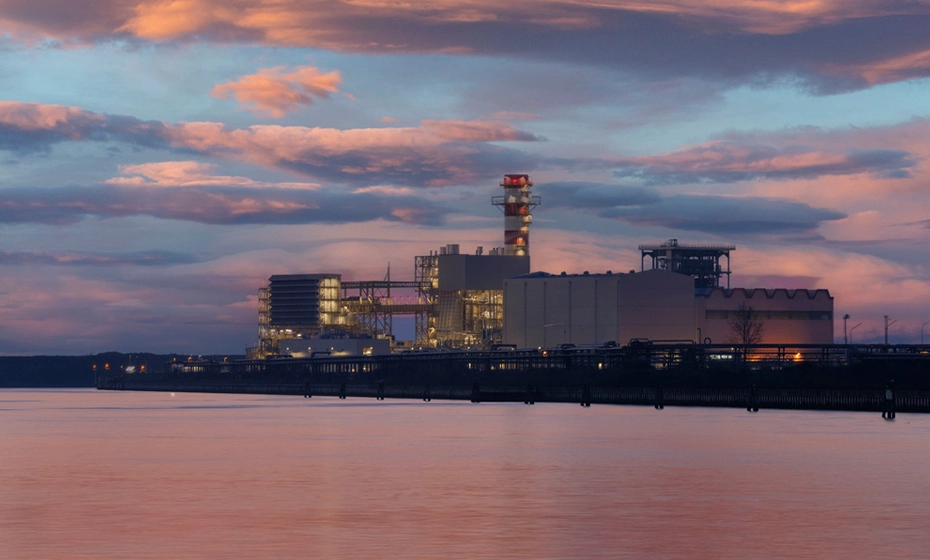
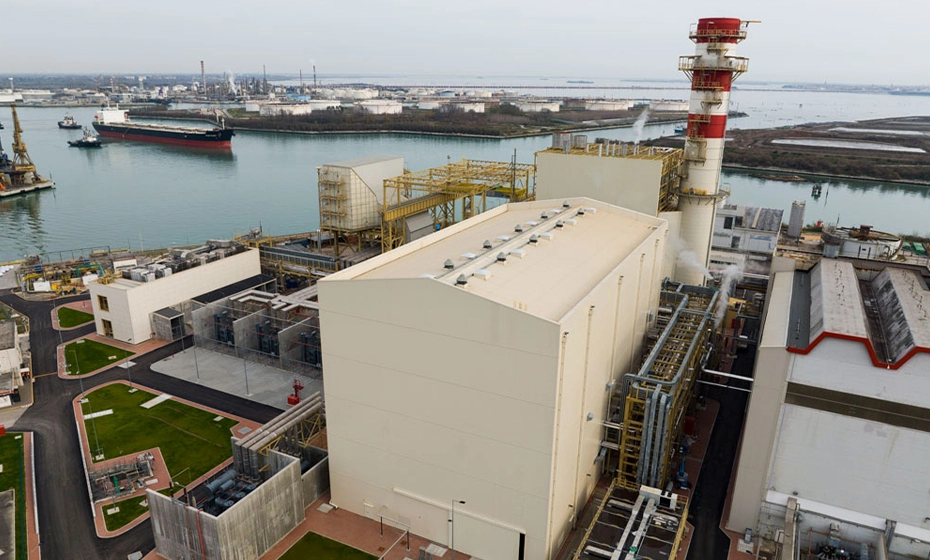
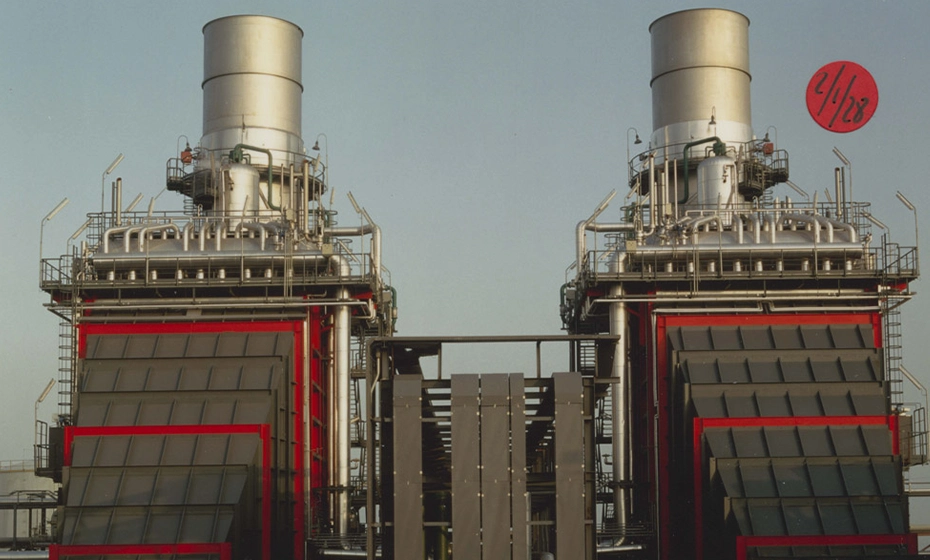
Edison, which had built the Marghera Levante power plant, the first combined-cycle thermoelectric co-generation plant, back in 1993, continued on the path of technological innovation with a complete overhaul. At the same time, the company joined Hydrogen Park, the hydrogen consortium in Porto Marghera. 
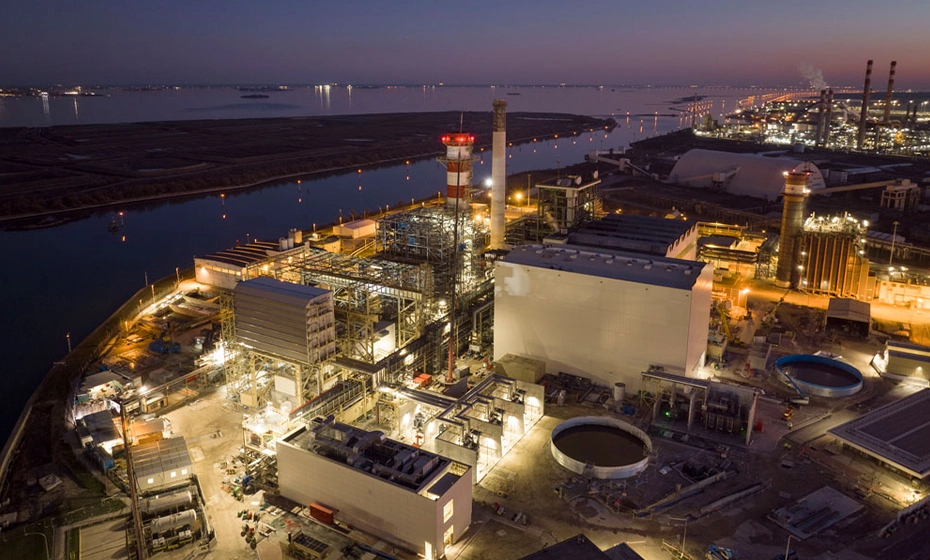
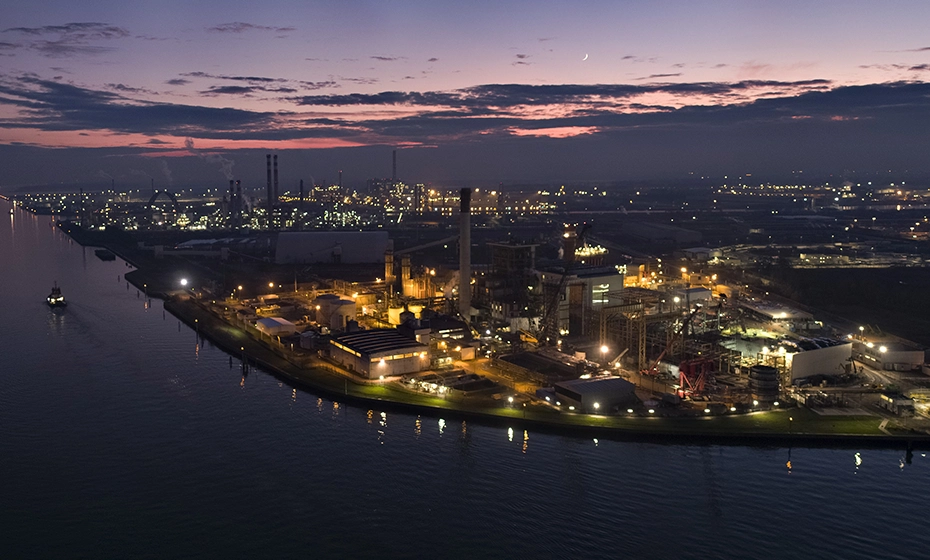
veduta aerea impianto Marghera

Italy's most efficient thermal power plant 

Under an agreement signed with Ansaldo Energia, Edison equipped its Marghera Levante thermoelectric power plant with a new turbine that enabled it to produce electricity using less natural gas. This increased the plant’s efficiency and reduced its atmospheric emissions. 

Find out more