Edison's people
Share
Introduction
This special feature presents just a few of the personalities who have led the way for the Group, defining its identity and values.
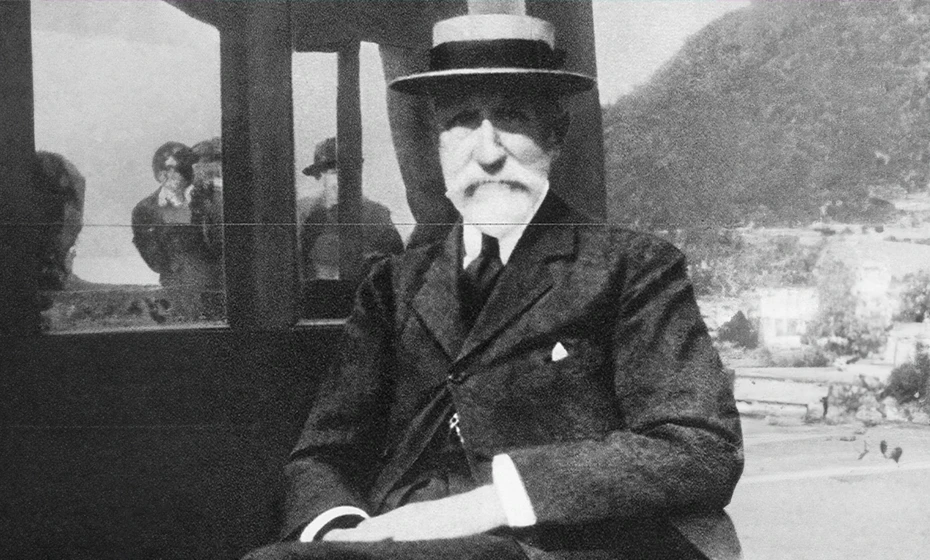
Giuseppe Colombo
Colombo realised the great potential of electricity at the International Electricity Exhibition in Paris, where he was fascinated by Thomas Alva Edison's dynamo, on display for the first time in Europe. Convinced of the enormous potential of electricity, Colombo made up his mind to introduce this innovation in Italy. Colombo then travelled to the United States to meet Thomas Alva Edison: an acquaintance that enabled Colombo to acquire the rights to use Edison's patents in Italy.
His resourcefulness and determination led him to build Europe's first power plant in only a few years, near the cathedral of Milan, on the ashes of the old Santa Radegonda theatre.
On 26 December 1883, Milan’s famous opera theatre, Teatro La Scala, was lit up by electricity for the first time, marking the beginning of the process of industrialisation in Italy. On 6 January 1884, Giuseppe Colombo founded a company in Milan that was unprecedented in Europe, and which has since become the Edison Group.
Carlo Esterle
Carlo Esterle served as managing director of the Edison Group between 1896 and 1918: years during which the company made great strides forward, and was reorganised entirely.
Esterle built the Paderno d'Adda (LC) hydroelectric power plant in agreement with the City of Milan, in collaboration with Angelo Bertini. The power plant went into service in 1898, making energy available for lighting and industry in the city of Milan for the first time.
The power station, named after Angelo Bertini, was the largest in Europe and second largest in the world, after the Niagara Falls plant.
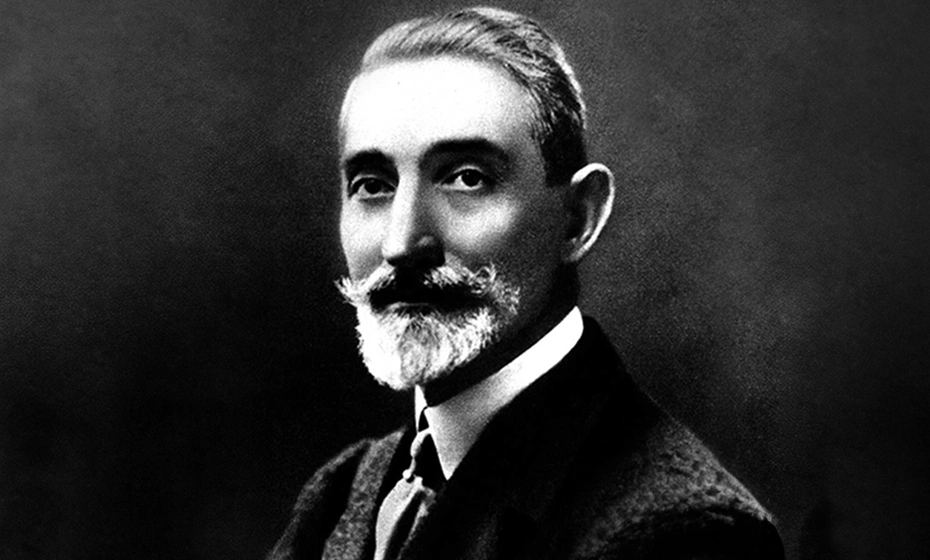
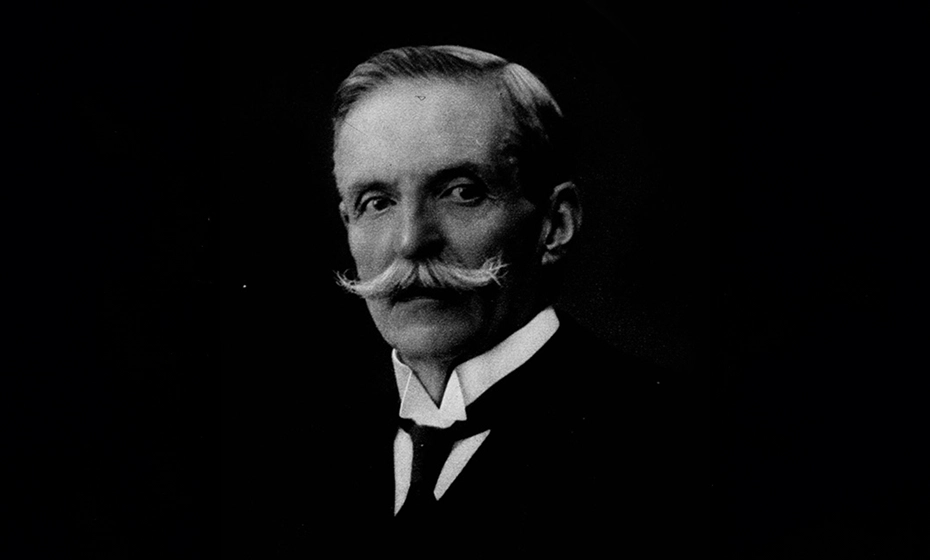
Angelo Bertini
Giuseppe Colombo asked Bertini to work on the Via Santa Radegonda power plant project in Milan, Italy's first electricity distribution plant and the first power plant to be constructed in continental Europe.
Bertini quickly became one of the first Italian electro-technicians to study and apply overseas innovations for the lighting of cities and homes and for the electrification of urban tram lines.
In June 1891 he was appointed General Manager of Società Generale Italiana di Elettricità Sistema Edison, and built the first experimental electric tramway line connecting Milan’s cathedral square, Piazza del Duomo, with Corso Sempione, beginning service in November 1893.
Working with Carlo Esterle, Bertini worked passionately on the construction of the Paderno d'Adda (LC) hydroelectric power plant, inaugurated on 28 September 1898 (after only three years of work) and now dedicated to his memory.
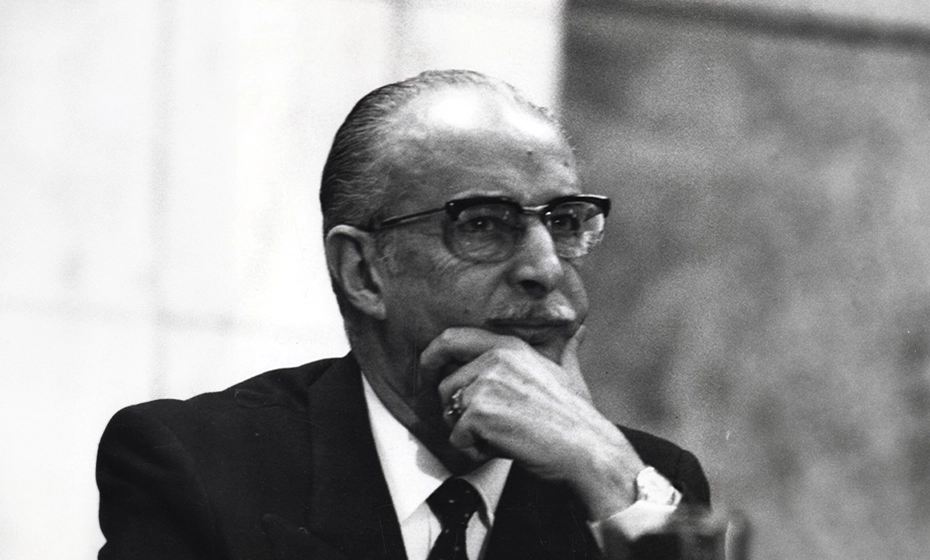
Giacinto Motta
Motta established himself on the Italian industrial scene after organising the electrification of the 'Corriere della Sera' printing press and the overhaul of the electrical installations at La Scala Theatre.
In 1916, Motta collaborated in the founding of the Italian Telephone Union, of which he became managing director.
By the outbreak of the First World War, Motta had become a recognised authority in the field of electrical engineering, boasting direct knowledge of many of the electrical companies in northern Italy and their major industrial customers.
Motta’s effective and far-sighted management made Edison the largest electricity group in Europe.
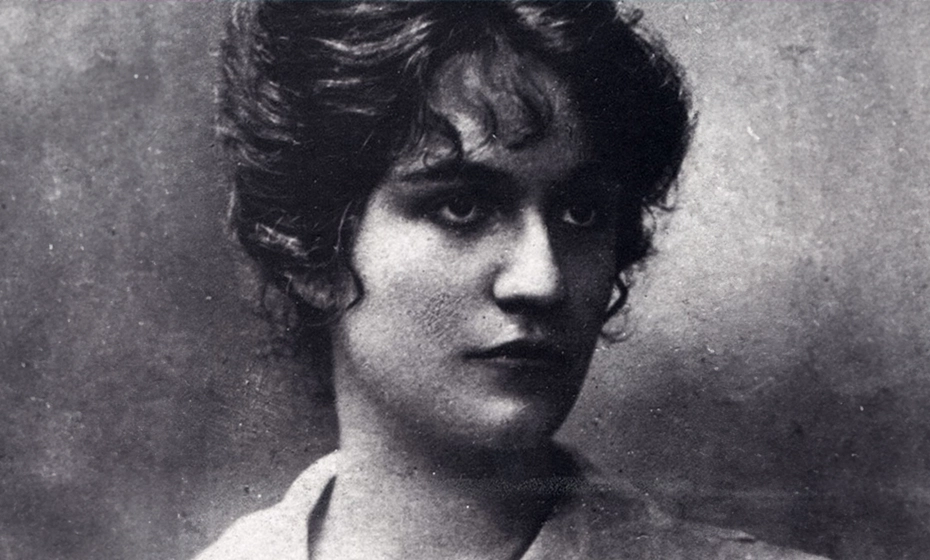
THE FIRST WOMAN TO GRADUATE IN ELECTRICAL ENGINEERING IN ITALY
Maria Artini
Born in Milan in 1894, Artini enrolled at the Politecnico di Milano in 1912 and graduated with a degree in electrical engineering in 1919, becoming the second woman graduate of the Politecnico di Milano as well as Italy's first woman to graduate in electrical engineering.
She began working with the Edison group in 1937, where she took on the role of manager, contributing to the creation of Italy's first 130 KW extra-high voltage power line (the Brugherio-Parma line), organised and directed the statistics office (between 1936 and 1946), and studied the new 220 and 250 kW grid.
At the end of the 1940s, she and other women engineering and architecture graduates from the polytechnic institutes of Milan and Turin promoted the establishment of a group of women cultivating the same ideals. In 1957, the city of Turin saw the foundation of A.I.D.I.A. (Italian Association of Women Engineers and Architects).
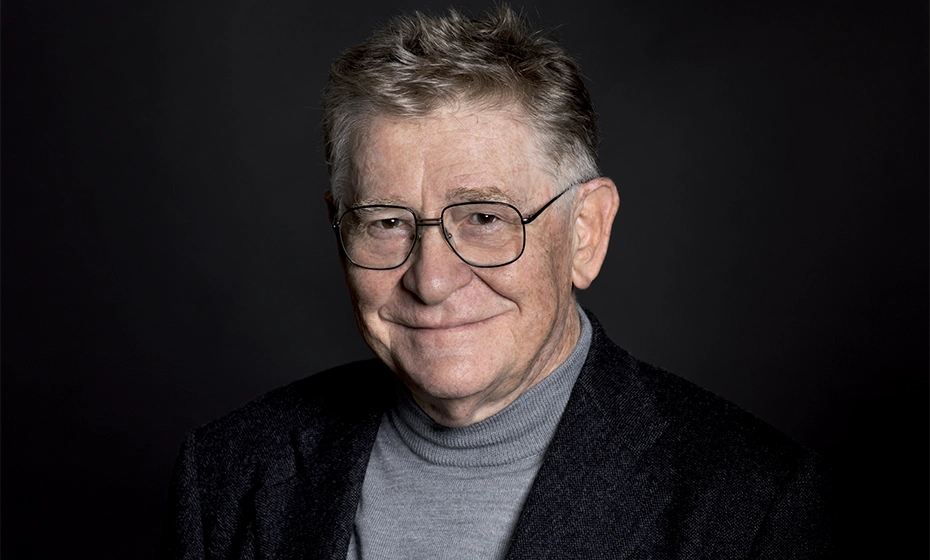
Ermanno Olmi
In 1947, Ermanno Olmi came to Edison as a young man, and was put in charge of employees’ recreational activities.
With his first camera, given to him by the company, he filmed the construction of a number of power plants and became director of the company's Cinema Section from 1953 to 1961. In the 1950s, Olmi recorded the process of reconstruction and the Italian economic miracle with more than forty documentaries portraying the rebirth of the company and the country as a whole. Several short films and movies made him famous on the Italian film scene:
La diga del ghiacciaio (The Glacier Dam, 1955) - Short film - 11 minutes
Tre fili fino a Milano (Three power lines connected with Milan, 1958) - Short film - 24 minutes
Vacanze a Marina di Massa. Colonia Ettore Motta del Gruppo Edison (Holiday in Marina di Massa: The Edison Group’s Holiday Camp) – Short film.
700 anni (700 Years, 1963) - Short film - 43 minutes - TV-RAI
The film L’Albero degli zoccoli (The Tree of Wooden Clogs) won the Palme d'Or at the Cannes Film Festival in 1978.