Edison and architecture
#DesignNeedsEnergy: dialogue building the future
Share
Past and present. The history of the Edison Group boasts collaborations with some of the most illustrious names in Italian architecture and design. Today, Edison is discussing new solutions for a sustainable future with the design community once again.
Architecture in the history of the Edison Group
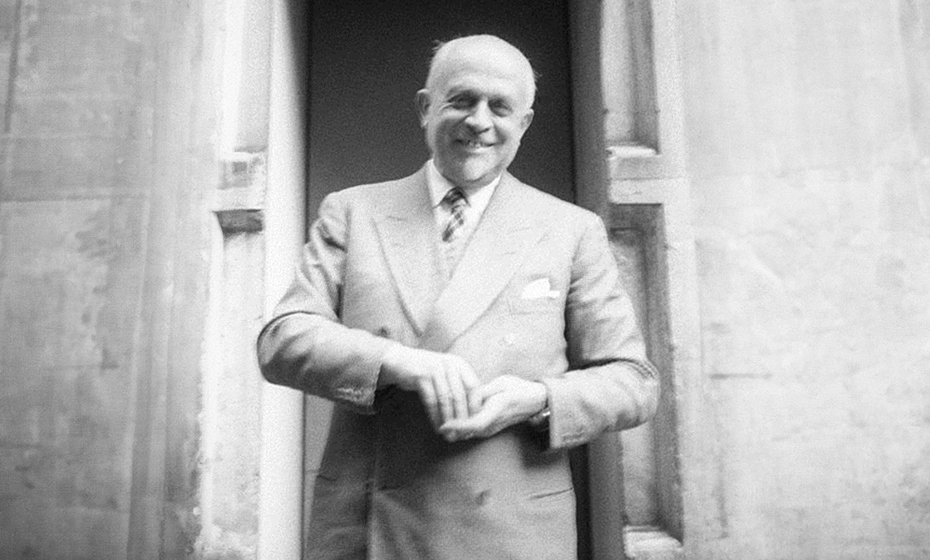
Piero Portaluppi
An Italian urban planner and academic best remembered as the 'power plant architect', Portaluppi began his career by designing no less than 11 hydroelectric plants in northern Italy, working between 1912 and 1929 in collaboration with a company established by Ettore Conti and later controlled by the Edison Group. Various artistic influences guided Portaluppi in the design of Edison's four hydroelectric power stations, all located in the province of Verbano Cusio Ossola: from the neo-medieval flavour of the Verampio power station, with its towers and large ogival and mullioned windows, to the modernist and Art Nouveau styles reflecting the influence of northern Europe in the Crego, Valdo and Cadarese power stations. Another magnificent example of the Art Nouveau style appears in the Emilia thermoelectric power station in Piacenza, now decommissioned.
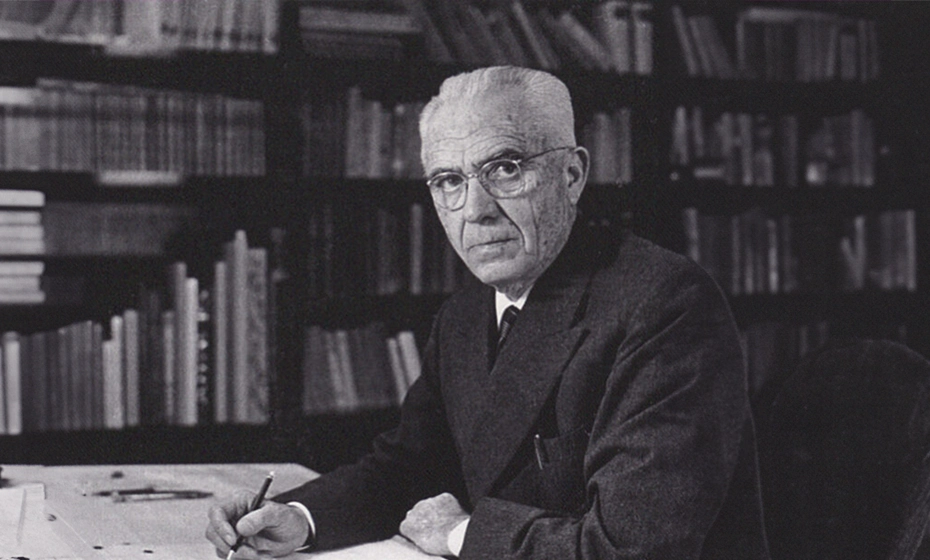
Pier Luigi Nervi
The engineer turned architect. He constructed numerous paraboloids: majestic ribbed concrete vaults perfectly combining functionality with aesthetics. These buildings, used as industrial warehouses for Edison Group companies, represent examples of innovation in the 20th-century factory: the possibility of making architecture using structural elements, giving up decoration and deriving form solely from the conscious composition and development of the construction. Some of the Edison paraboloids attributed to Nervi have been redeveloped over the years to become, for example, an opera house in Assisi, or a shopping centre in San Gilla, in the province of Cagliari.
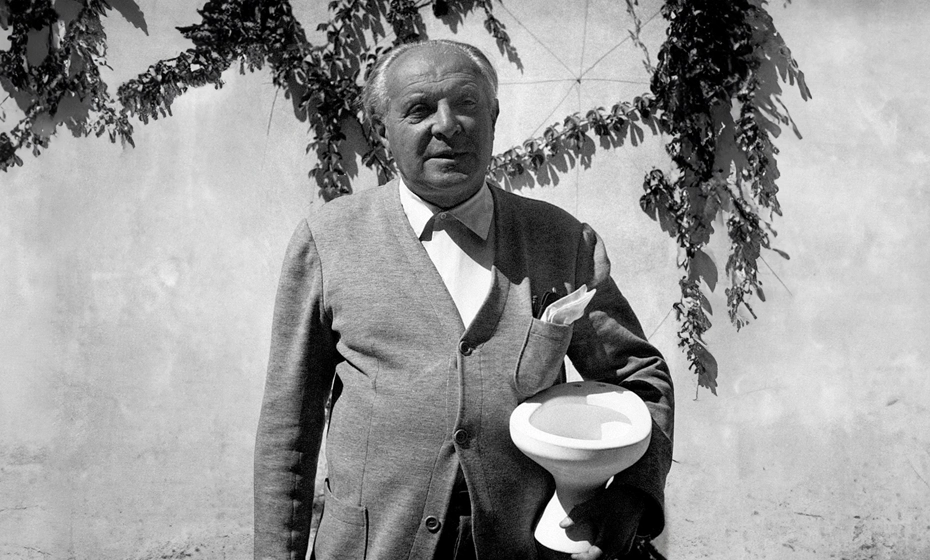
Giò Ponti
The greatest legacy of the collaboration with the architect who actively participated in the post-war renaissance of Italian design is the two Montecatini palaces in Milan’s Turati district. For the first one, designed in 1936, Ponti came up with an H-shaped plan to make the best use of the available space, in perfect rationalist style. Not only on the outside. The architect and designer also studied the interior, designing the office furniture: the size of the desk became the basic unit determining the layout of modular interior spaces. But there are two things that Ponti was most proud of in this work: the flat, light side façade with its smooth, square marble walls and flush fixtures; and the interweaving of the coloured tubes in the pneumatic post station. The second building, completed in 1952, complements the forms of the first: a concave façade contrasts with the convex line of the other work. In this case, it is the choice of materials that characterises the work: from the crystal of the front to the aluminium of the side.
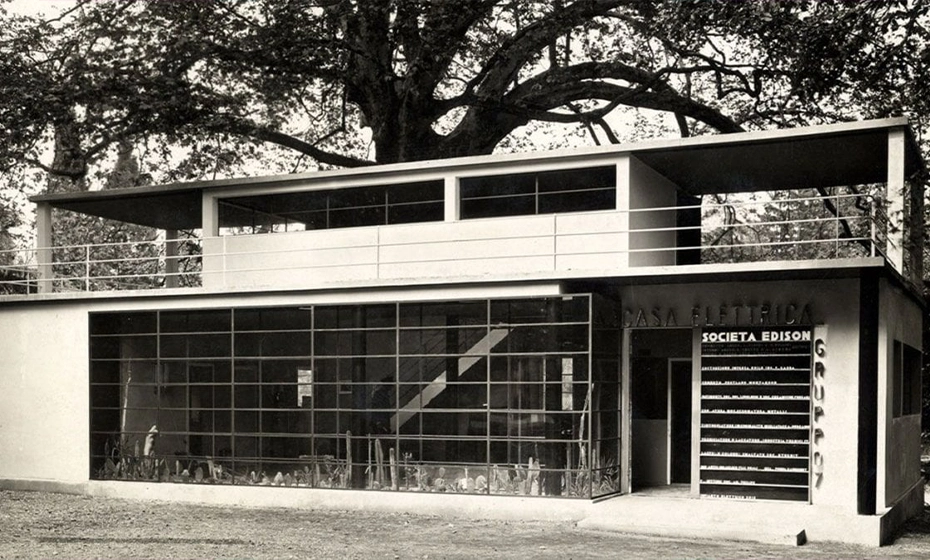
Gruppo 7
Inspired by Giò Ponti, sponsored by the Società Generale Italiana Edison di Elettricità and created by Gruppo 7, 'Casa Elettrica’, the “Electric Home”, was not only an example of a dwelling built according to the dictates of rationalist architecture, but also a showcase for the latest new household appliances, which were included in the rooms as an integral part of the architectural design. Luigi Figini and Gino Pollini were the designers of the house and the furnishings for the son's bedroom, while Guido Frette and Adalberto Libera were responsible for the living room, dining room and master bedroom, and Piero Bottoni took care of the bathroom, the kitchen and sink unit and the maid's room. Viewing the planimetric/volumetric diagrams, we may appreciate the extreme simplicity of this early prototype of a smart home, and its affinity with Le Corbusier's principles of architecture, such as the open floor plan, the reinforced concrete pillar structure, the ribbon window and the continuity between indoor and outdoor spaces.
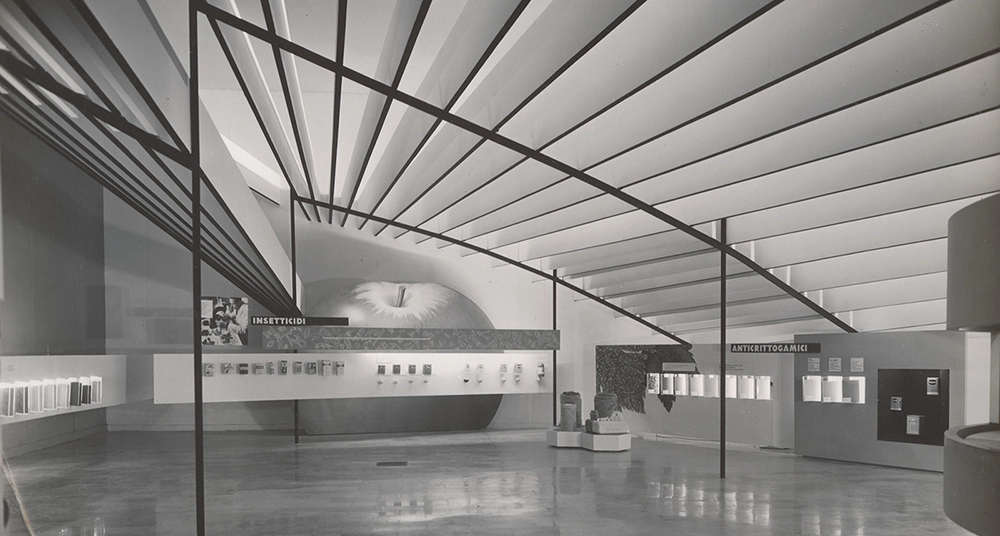
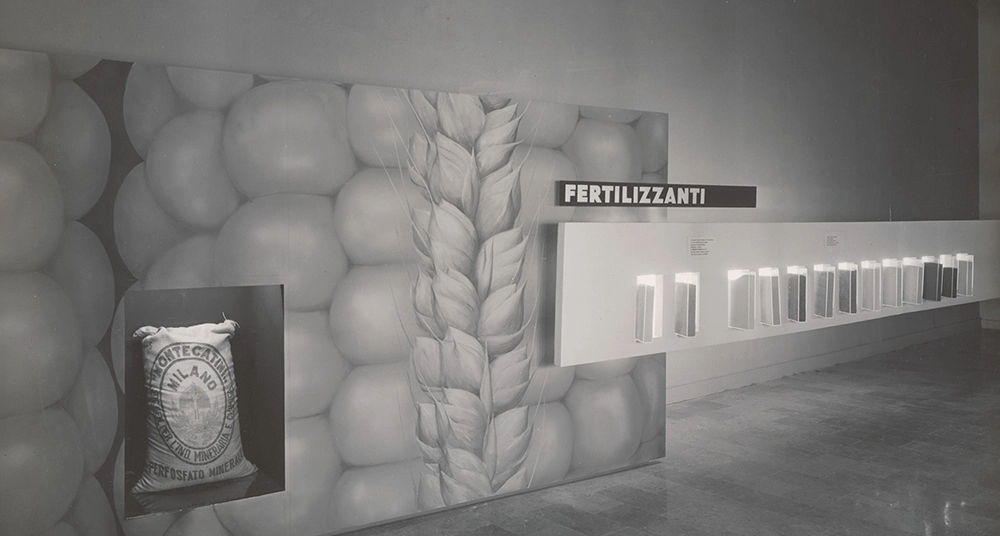
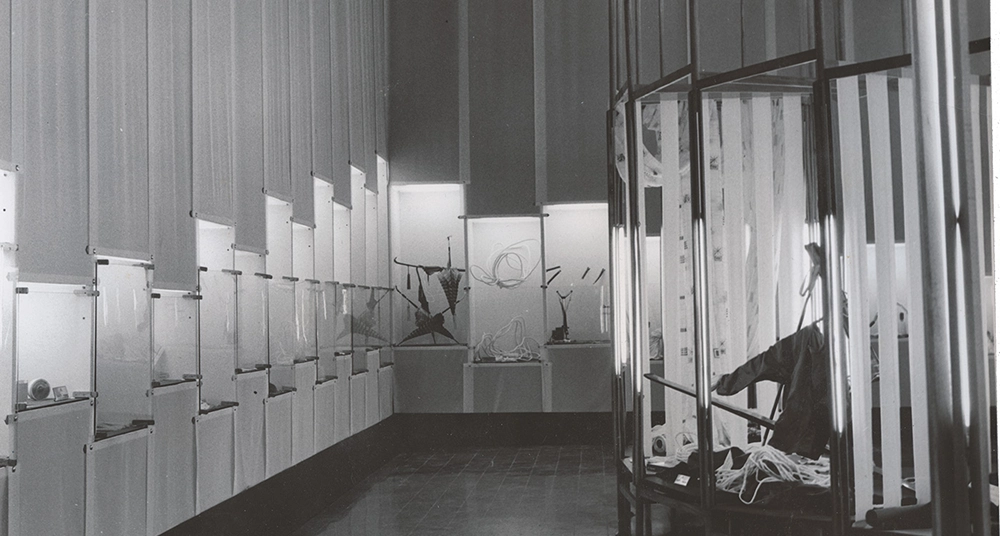
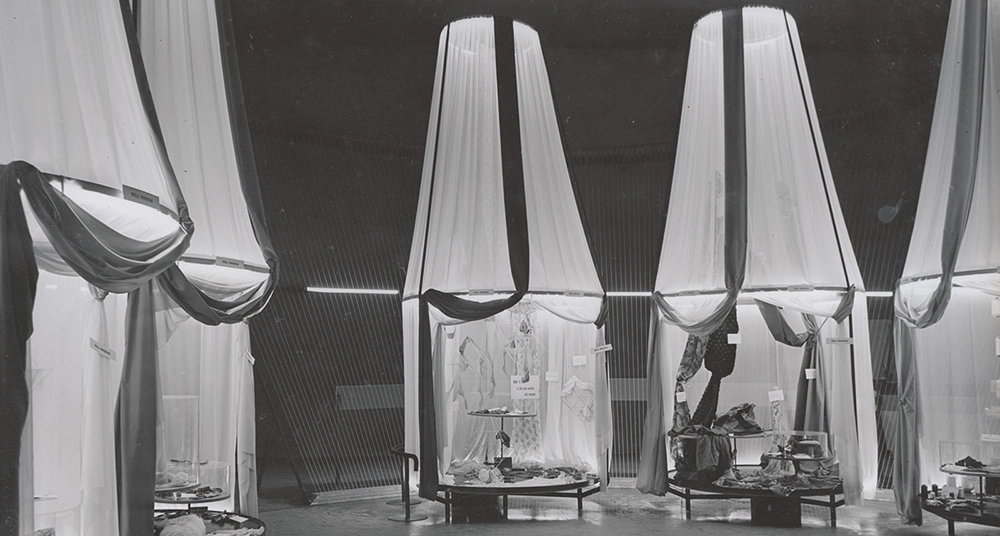
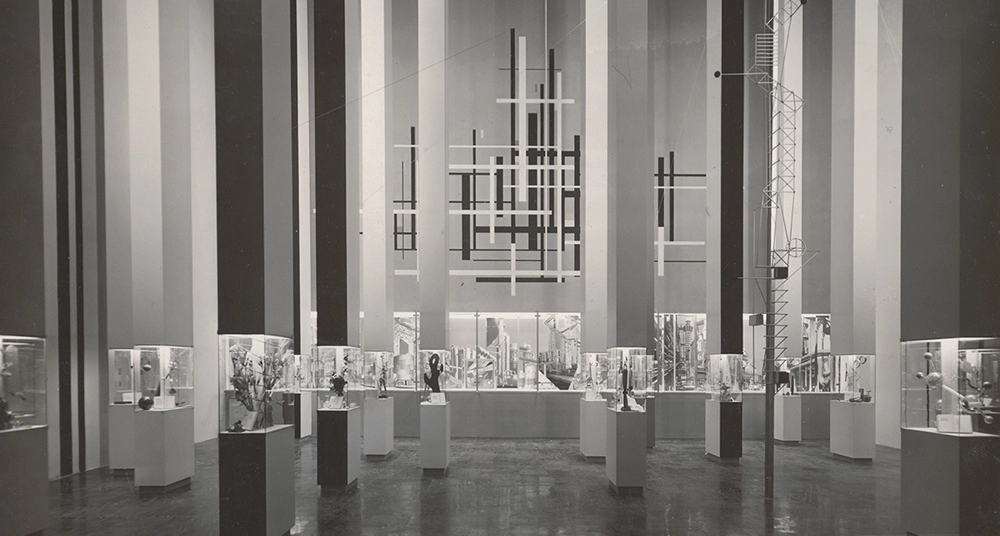
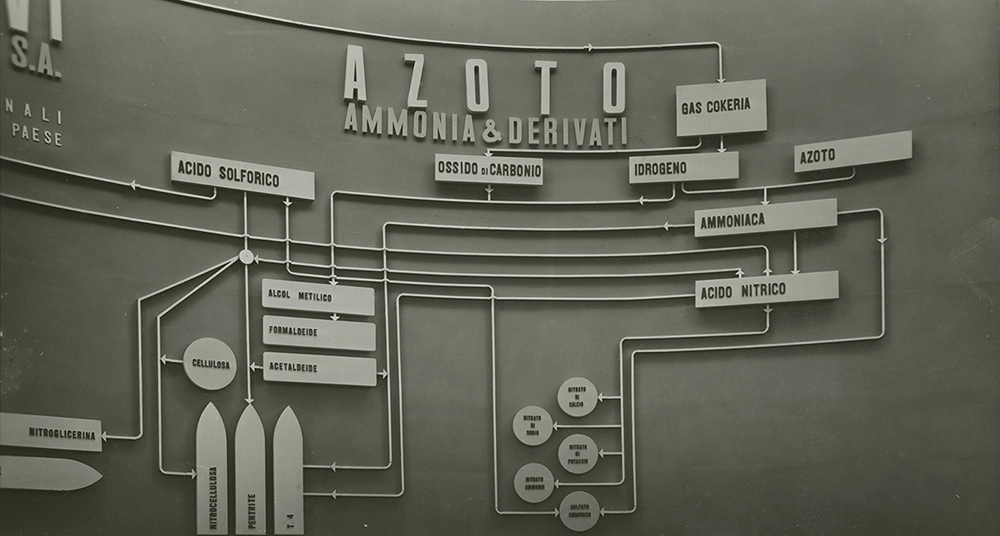
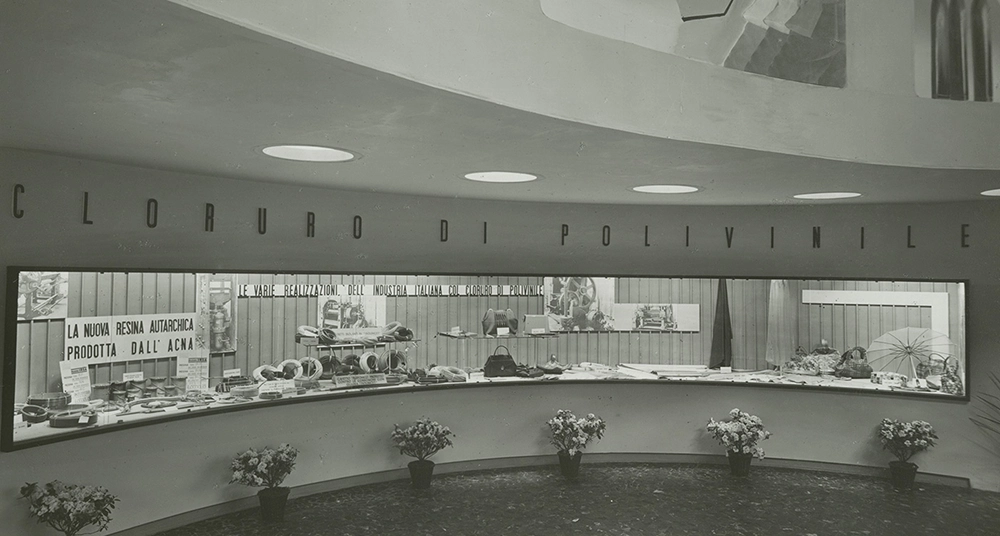
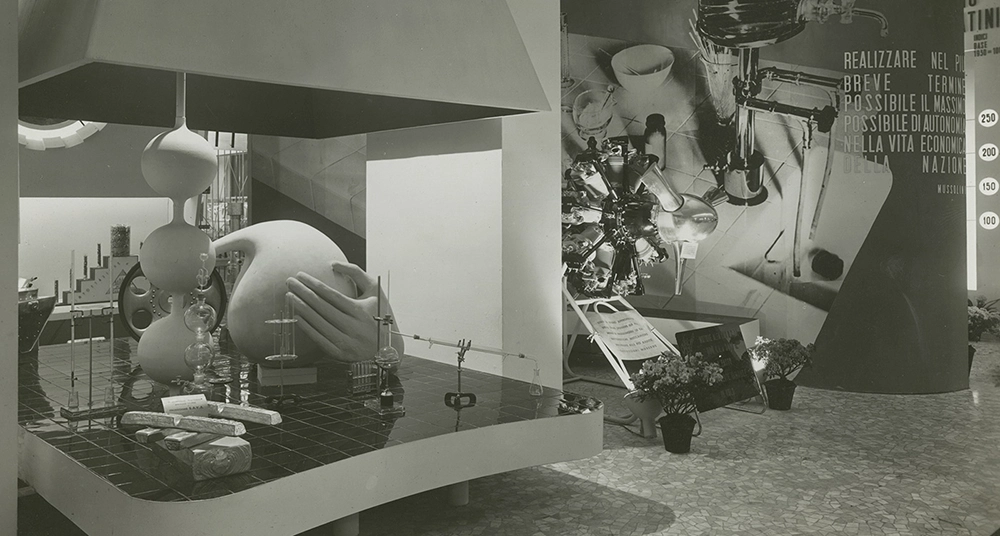
The Milan Trade Fair
These are just some of the designers who, between the 1930s and the 1960s, collaborated with Edison to design installations for the Milan Trade Fair, thereby contributing to the success of the exhibitions