Climate change
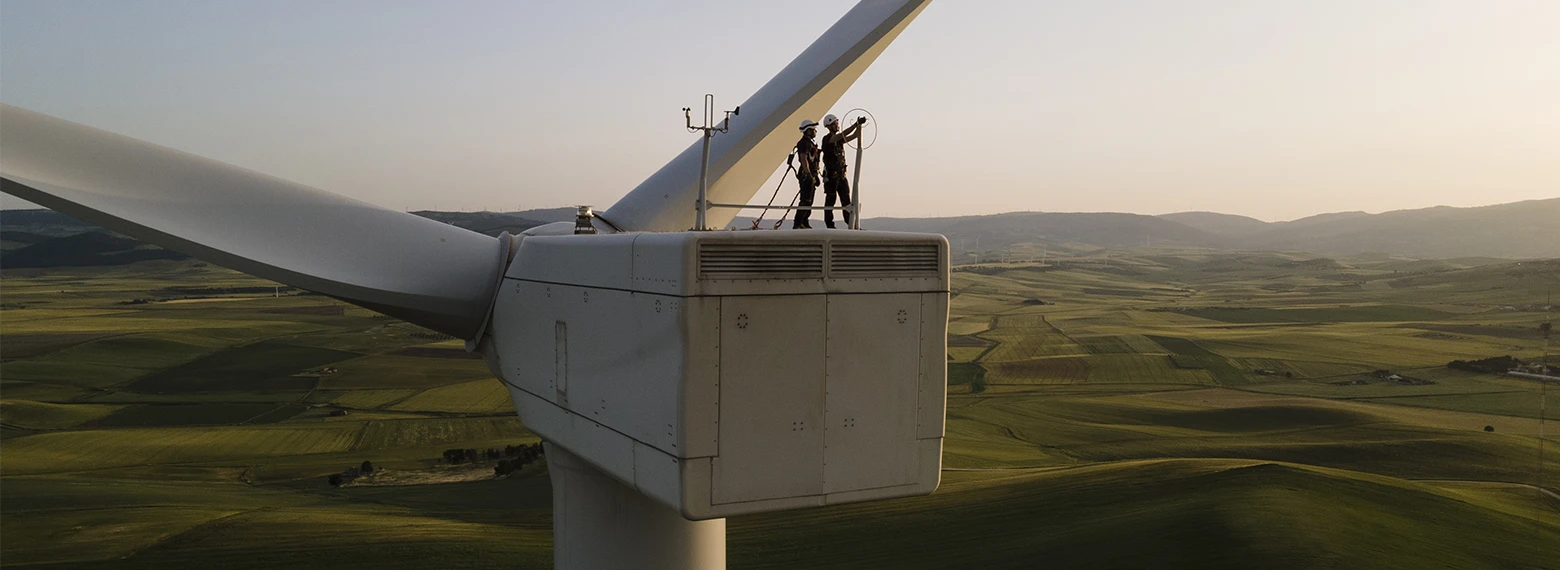
We have always been committed to promoting clean and accessible energy by developing economical, reliable and sustainable systems. We invest in more efficient and environmentally friendly production methods, supported by research and the innovation of the best available technologies.
Our levers for the climate
Since 2006, we have reduced our direct CO₂ emissions by 72%, from nearly 25 Mt CO₂eq to around 6 Mt CO₂eq in 2025, thanks to improved efficiency in our thermoelectric fleet and the gradual replacement of less efficient plants with advanced combined-cycle technologies. To strengthen our commitment, we have defined a decarbonization pathway that targets a 32% reduction in direct emissions and a 11% reduction in Scope 3 indirect emissions by 2035, compared to baseline levels.
Our strategy to reduce direct emissions
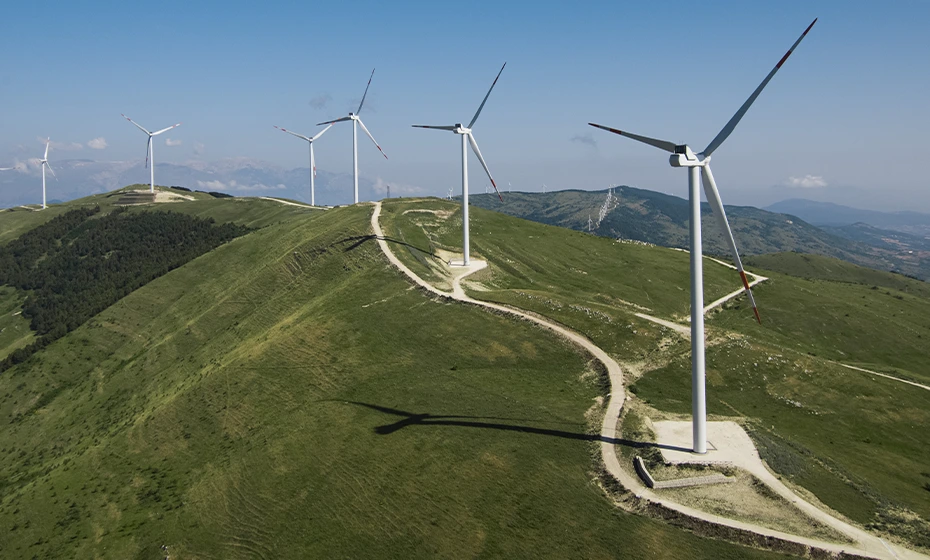
The main levers included in our decarbonization plan involve the development of renewable energy generation, with a 2030 target of producing around 40% of our electricity from renewable sources and increasing installed capacity to 4 GW. We also plan to simultaneously develop flexibility systems, including hydroelectric pumping and electrochemical storage. Furthermore, we aim to progressively decarbonize our gas-fired generation plants (e.g., cogeneration, trigeneration, etc.) located at customer sites, through the use of green gases such as biogas and biomethane.
By 2030, we estimate a reduction in direct emissions to 5.4 Mton, also due to the partial replacement of cogeneration systems at customer sites with biomethane and/or other decarbonized energy carriers. In the medium term, electricity generation by thermoelectric plants is therefore expected to continue to play a significant role in the Italian market, particularly relating to production by high-efficiency gas-fired plants (class H), which will help to stabilise the national electricity system.
By 2030, we estimate a reduction in direct emissions to 5.4 Mton, also due to the partial replacement of cogeneration systems at customer sites with biomethane and/or other decarbonized energy carriers. In the medium term, electricity generation by thermoelectric plants is therefore expected to continue to play a significant role in the Italian market, particularly relating to production by high-efficiency gas-fired plants (class H), which will help to stabilise the national electricity system.
2030 objectives
Electricity generation from renewable sources
Installed renewable capacity
Scope 1 direct emissions
Investments in the green transition
Edison is actively evaluating additional decarbonization opportunities, including development of offshore wind farms, CO₂ capture and storage (CCS) and new nuclear with small modular reactor (SMR) technology. Such solutions would contribute to an additional reduction of the company’s Scope 1 emissions amounting to 1.1 MtonCO₂eq at 2035, for a total of 4 MtonCO₂eq (-47% vs 2017).
Given the nature of our activities, Scope 2 indirect emissions—related to the purchase of energy from third parties—are considered negligible in the context of our future decarbonization efforts.
By 2030, we estimate Scope 3 emissions—specifically in the relevant categories 3.3 (Fuel- and energy-related activities) and 3.11 (Use of sold products)—to increase compared to the 2019 baseline, within a context of growth in the managed customer base driven by portfolio development strategies leading to the temporary increase at 20.8 MtonCO₂eq in 2030, envisage a progressive reduction of gas sales to industrial and retail clients after 2030, also in line with the expected decline in national gas demand, driven by the progressive increase in electrification of consumption, as well as the efficiency improvement, conversion, and decarbonization of industrial processes supported by the Group’s solutions and services. We expect Scope 3 indirect emissions related to categories 3.3 and 3.11, to decrease by 11% in 2035 when compared with base year 2019 (18.8 MtonCO₂eq) in line with the maintenance of the market share of national gas demand, equal to about 20% and the expected increase of residential customers.
By 2030, we estimate Scope 3 emissions—specifically in the relevant categories 3.3 (Fuel- and energy-related activities) and 3.11 (Use of sold products)—to increase compared to the 2019 baseline, within a context of growth in the managed customer base driven by portfolio development strategies leading to the temporary increase at 20.8 MtonCO₂eq in 2030, envisage a progressive reduction of gas sales to industrial and retail clients after 2030, also in line with the expected decline in national gas demand, driven by the progressive increase in electrification of consumption, as well as the efficiency improvement, conversion, and decarbonization of industrial processes supported by the Group’s solutions and services. We expect Scope 3 indirect emissions related to categories 3.3 and 3.11, to decrease by 11% in 2035 when compared with base year 2019 (18.8 MtonCO₂eq) in line with the maintenance of the market share of national gas demand, equal to about 20% and the expected increase of residential customers.
Climate Transition Plan
As part of its commitment to climate action and addressing climate change, Edison has developed its Climate Transition Plan, which defines the Group’s decarbonisation levers, targets and trajectories, as well as the strategy and climate governance framework established by Edison.