Health and safety
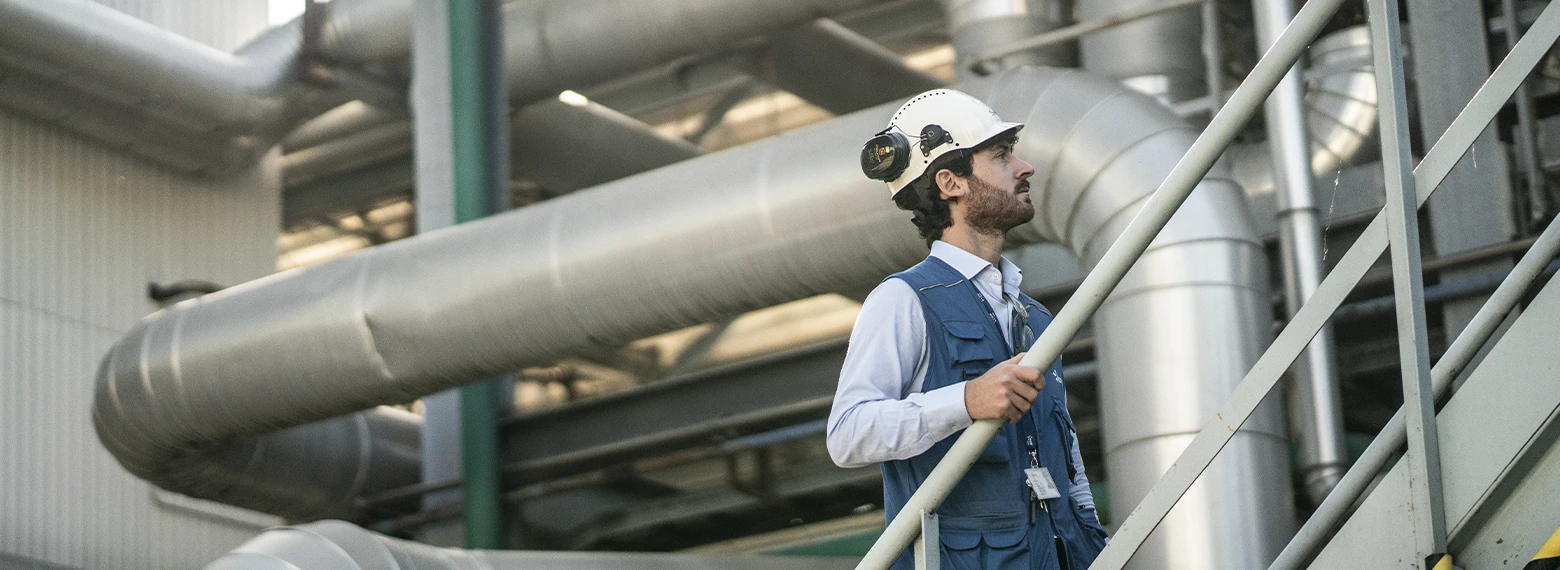
For us, the prevention and promotion of health and safety in the workplace for employees, workers and people living in the areas surrounding the plants and company sites, represent a priority.
Our policy
Our principles and commitments on the subject are contained in the Policy for Health and Safety, Quality and Sustainable Energy, revised in 2021 with a multi-year strategic-operational roadmap focused on innovation issues and declined in Management Systems (such as UNI ISO 45001, UNI EN ISO 14001 and 50001, EMAS) of the different company partitions.
We therefore confirm the choice of managing, with a global and integrated approach, the prevention and promotion of culture, health and safety at the workplace, taking into account both staff, suppliers and third-party companies, and broadly attributing to all management objectives of improvement in relation to the average results of accident indices over the last three years.
We therefore confirm the choice of managing, with a global and integrated approach, the prevention and promotion of culture, health and safety at the workplace, taking into account both staff, suppliers and third-party companies, and broadly attributing to all management objectives of improvement in relation to the average results of accident indices over the last three years.
Roadmap HSEQ 2024 - 2030
In line with the company's strategic business plan for 2030, the following have been identified:
- The key factors for managing the complexity of internal and external systems and organizations, including those related to changes in the way of working;
- The strategic and distinctive competencies essential for the development of the HSEQ role;
- The tools and programs for managing uncertainty related to the management of residual risks in our business processes.
- Maintaining management systems in compliance with reference standards;
- Measures and programs for the prevention of the physical and mental health of all employees;
- Analysis of high potential risk events (HPE) and sharing across all levels;
- Constant involvement and management of suppliers in the field;
- Implementation of training programs and engagement of all stakeholders;
- Conducting multidisciplinary internal audits;
- Continuous development of innovation and digitalization processes.