Biodiversity and ecosystems
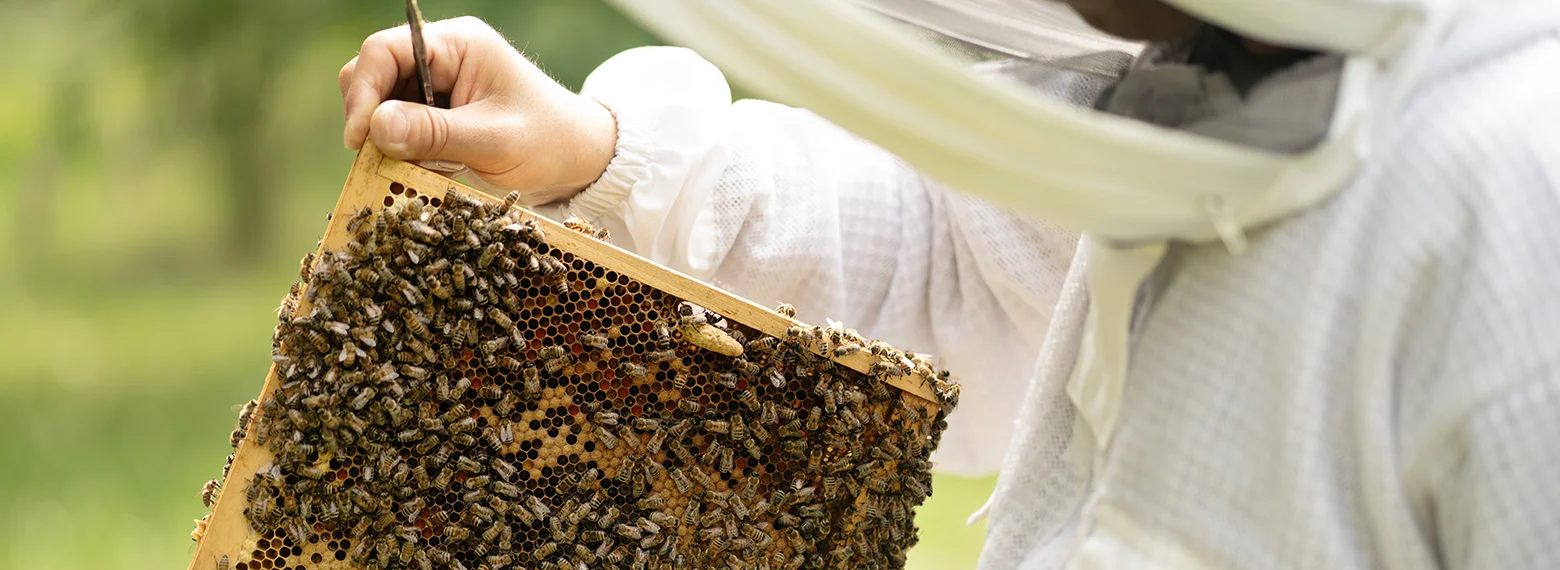
We recognize as fundamental the conservation of ecosystems, understood as dynamic complexes of plants, animals and microorganisms and their non-living environment that interact as a functional unit, and biodiversity understood as the variability of life in terms of species and ecosystems, as well as ecosystem services supporting life, regulation, provisioning and cultural services linked to them.
The positive impact of our work
We periodically update the analysis of ecological vulnerability and biodiversity risk, taking into account new plants that enter the scope of activities. From 2024, we developed and made available to all business lines a guideline for the application of Nature-Based Solutions (NBS) for environmental improvement measures, consisting of:
- A catalog of mitigation and environmental improvement measures by plant type, resulting from benchmarking company practices against national and international best practices;
- Organization of environmental improvement actions according to the mitigation hierarchy (avoidance, mitigation, restoration, offset) and along the plant's life cycle (planning, design, development, maintenance, and decommissioning);
- Development of a system for the economic quantification of the types of environmental improvement measures.
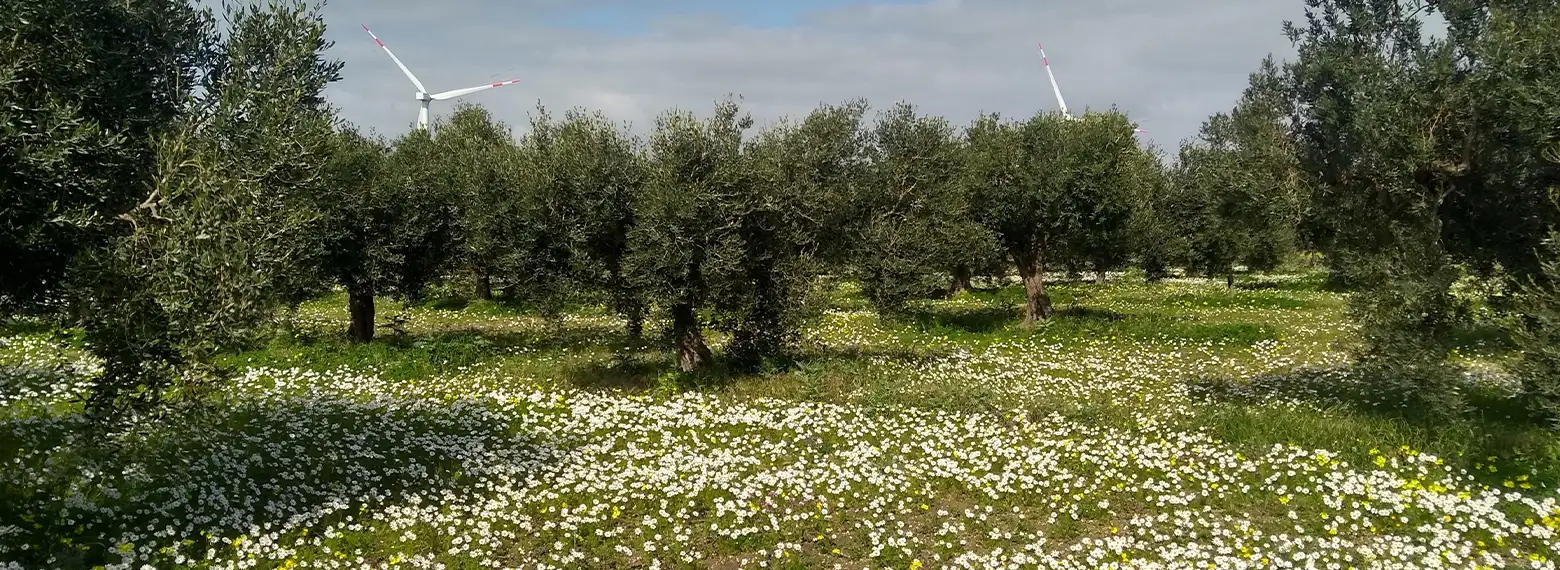
Tree planting and pollinator projects
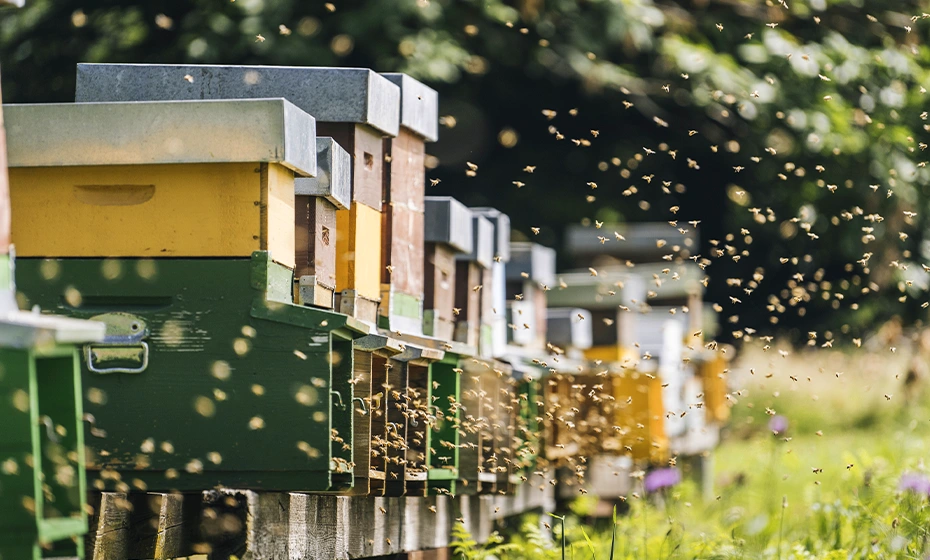
- Dogaletto di Mira Oasis: a 33‑hectare area featuring nectar‑producing crops, insect hotels and an apiary dedicated to biomonitoring activities.
- “Sentinel Bees of the Environment” project in Suzzara: the installation of six beehives enabling environmental quality monitoring; in 2025, the project resulted in the production of approximately 150 kg of honey.
- Interventions at the Cassino bio‑lake, including maintenance, cleaning activities and the planting of 800 plants for phytoremediation purposes, ensuring the recovery of approximately 520,000 m³ of rainwater per year.
- Continuation of the “Mosaico Verde” project, launched by Edison Energia in 2024, through the planting of 4,000 tree species across Sicily, Lazio, Apulia and Tuscany. The project included inauguration events, educational initiatives for schools, an extension of maintenance activities to three years, and the introduction of a monitoring system based on satellite analysis and field surveys to assess key indicators (FA, PA, MSALU15). The Catania and Livorno interventions were included as case studies in the Legambiente and AzzeroCO₂ Forest Atlas.
The Lio Piccolo project
We supported an initiative aimed at restoring the traditional fishing valleys of the Venice Lagoon, in the Lio Piccolo area. The project, promoted by WOWnature (Etifor), involved the planting of 500 native species along the lagoon embankments, with the objective of creating shelter and shade for birds and fish, as well as counteracting erosion caused by water and wind. The initiative also enhances the fourth stage of the “GiraSile” cycling route, thereby contributing to improved accessibility and enjoyment of the landscape for visitors.
An oasis of biodiversity
We have created the BeeNEXT Biodiversity Oasis at the biogas production plant from FORSU in Zinasco (PV), the first of Edison Next's partnership projects with a leading climate tech company dedicated to biodiversity protection. Our goal is to initiate a biodiversity regeneration journey through the protection of bees and pollinators using cutting-edge solutions. At the plant site, spanning over 3 hectares in an ecosystem classified by the IUCN (International Union for Conservation of Nature) as "intensive land-use systems," biodiversity monitoring is conducted remotely via satellite technology and on-site using various types of IoT sensors. The oasis is equipped with shelter houses for wild pollinators, an arboretum with native nectariferous plants to support the development of the local ecosystem and an educational pathway. Designed with the intention of opening the doors of the Zinasco plant to schools and local communities, the oasis aims to foster a connection with the territories by spreading the culture of biodiversity. This initiative reflects our commitment to creating a sustainable future where technology and nature work hand in hand to protect and enhance the environment.