Our levers for the climate
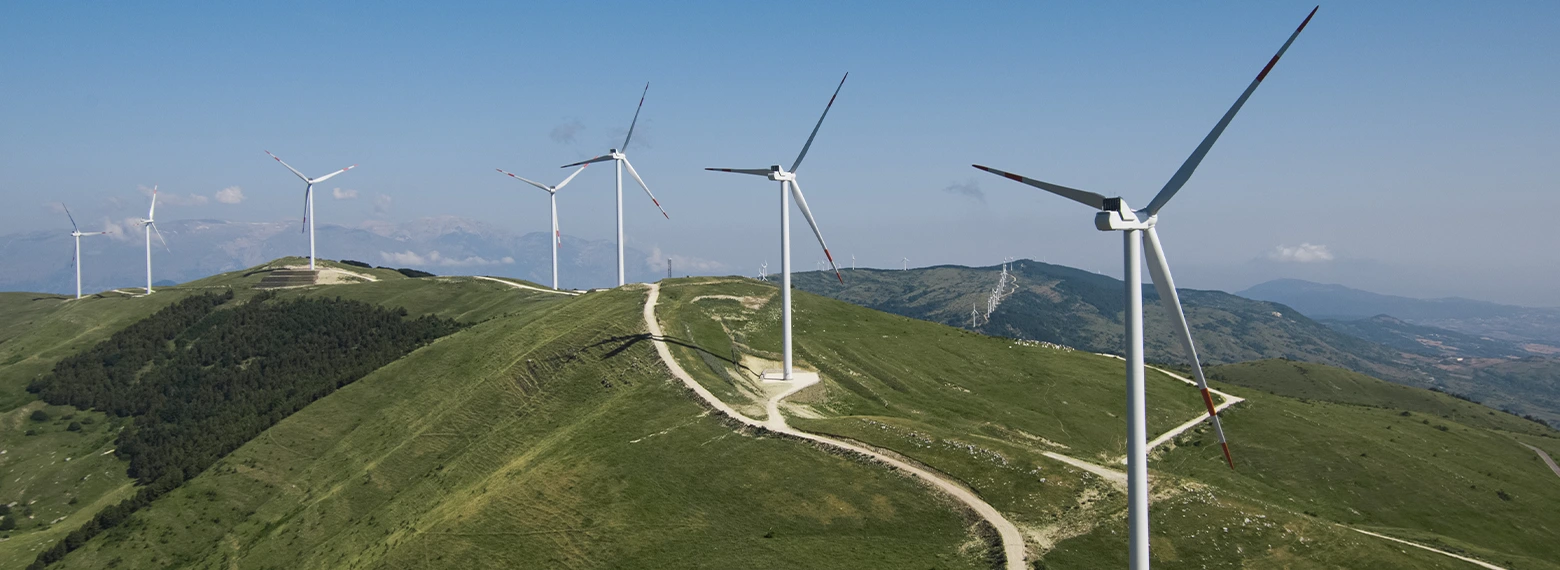
Energy transition and sustainable mobility for Italy
The emission reduction targets also pose industrial choices for the Italian system. It will indeed be necessary to complement renewable sources, which are partially or totally non-programmable, with flexibility systems and programmable energy sources (estimated at least 20% of total electricity production). Mobility also plays a crucial role in climate change, being one of the main contributors to greenhouse gas emissions. In Europe, the transport sector accounts for about a quarter of total greenhouse gas emissions. We are committed to sustainable energy transition, which includes the development of low-carbon and green gas energies, the promotion of the production and use of renewable energies and flexibility solutions, and the development of both electric and gas sustainable mobility solutions.
Index
Renewable energy and flexibility
With an installed capacity of 2.3 GW from renewable sources including solar, wind, and hydroelectric, we produced 4.4 TWh of energy from renewable sources in 2025, avoiding the emission of 1.9 Mtons of CO₂ into the atmosphere (a significant portion of the Group's total avoided emissions of 2.5 Mtons).
Photovoltaics
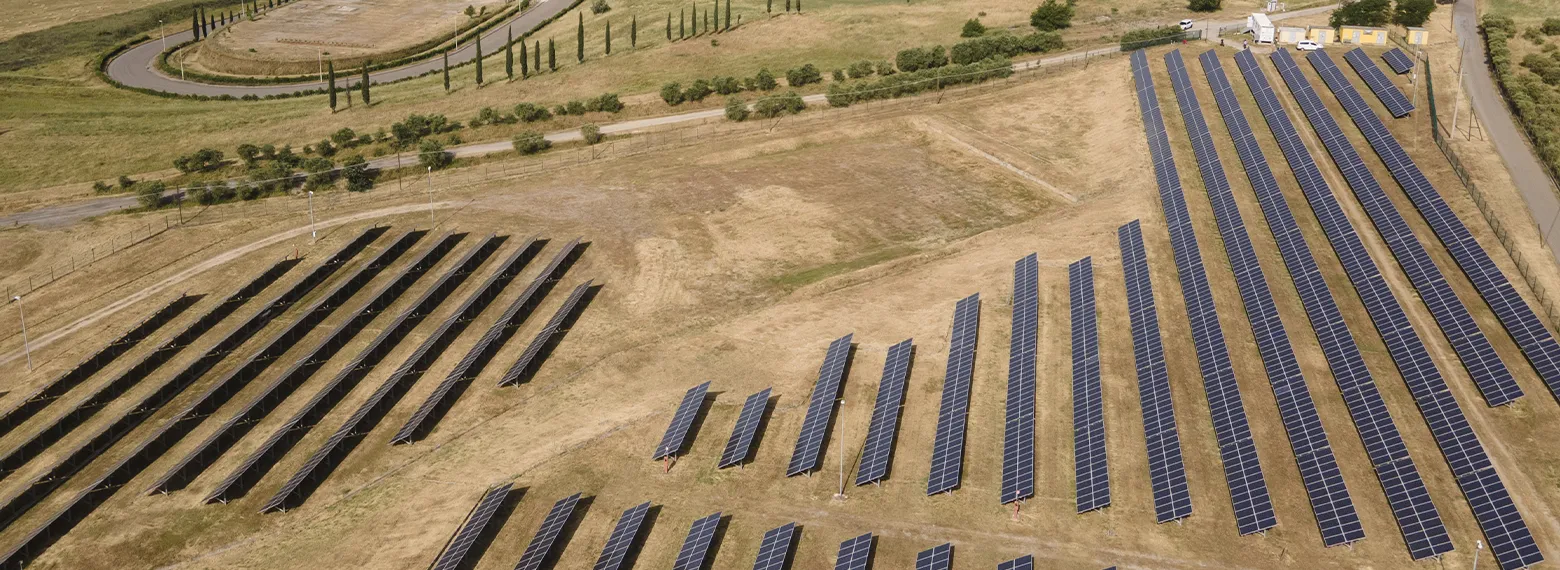
Regarding photovoltaic technology, new plants in Sicily, Campania, Veneto and Piedmont were developed in 2025.
Wind energy
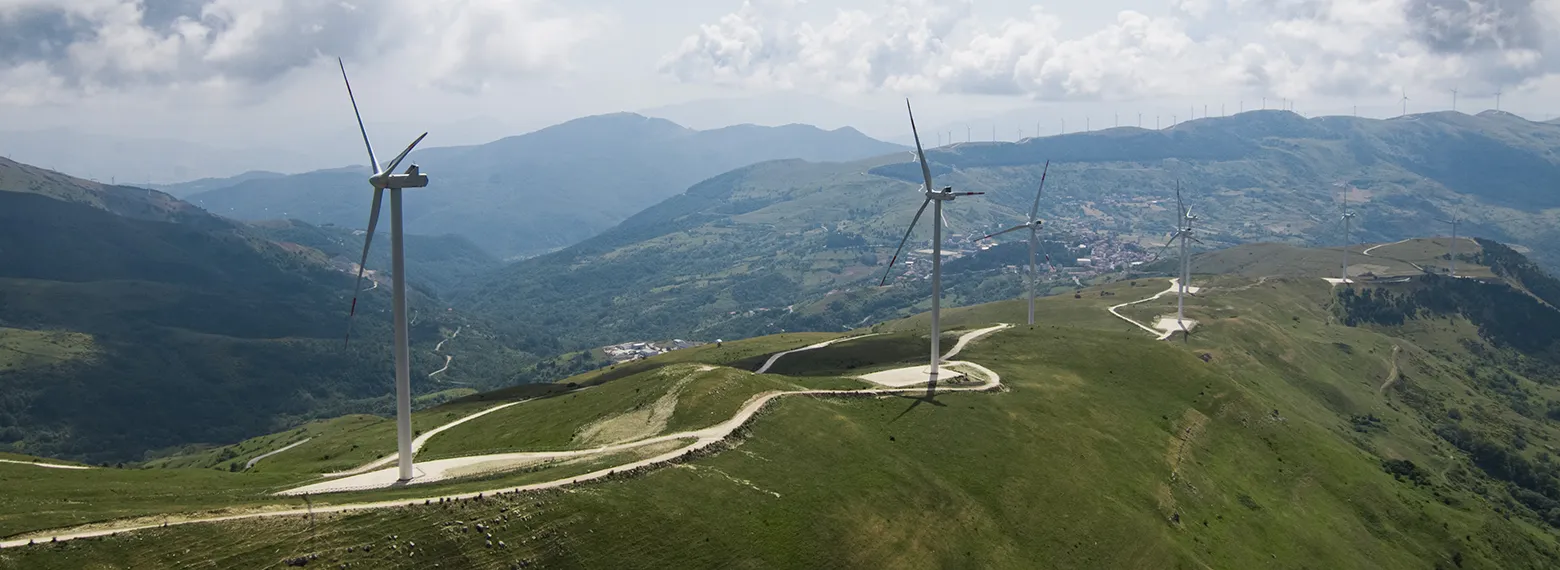
On the wind power side, the integral reconstructions in Abruzzo were completed, more than doubling the capacity of renewable generation replaced, while reducing the number of wind turbines by 73%. A green field plant in was also finalised in Basilicata.
Hydroelectric
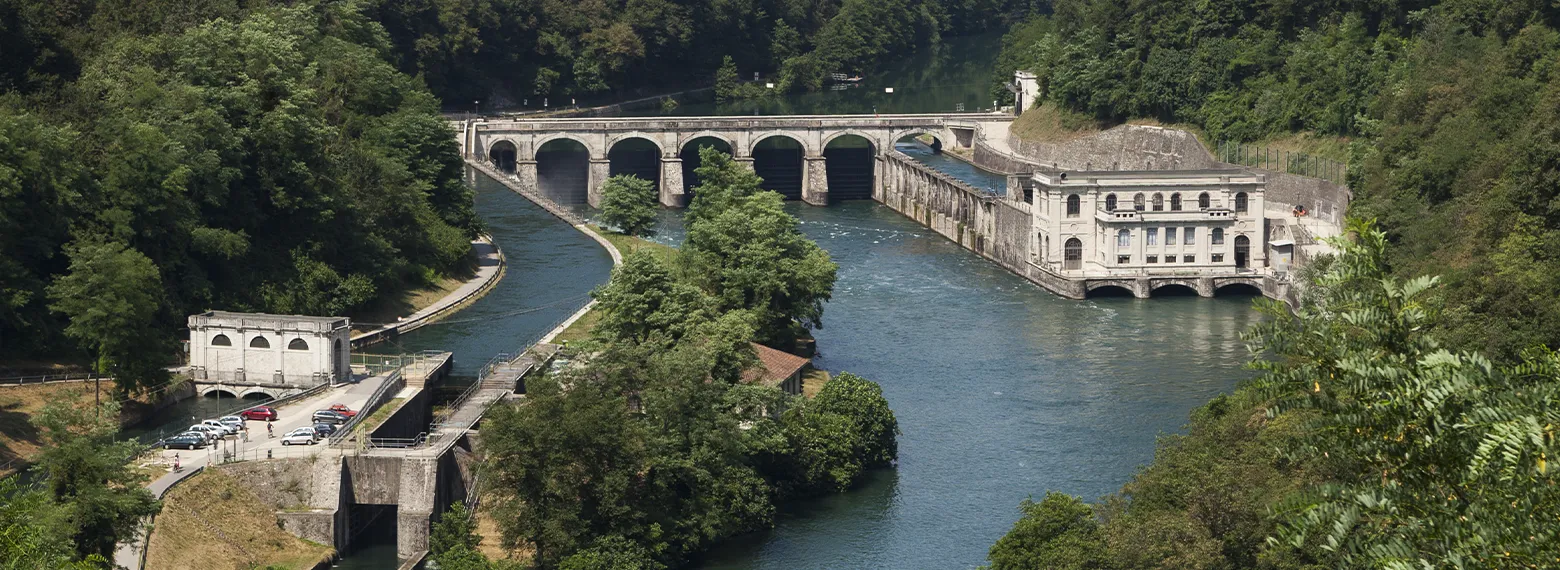
With an installed capacity of almost 1 GW consisting of both large and small-scale plants, we intend to maintain our historic role as a responsible operator through investments, including in mini-hydro projects, in synergy with territorial specificities.
We have also identified five hydroelectric pumping projects in Southern Italy and the Islands (in Basilicata, Calabria, Puglia, Sardinia and Sicily) that would also have positive impacts on water management. We are in fact studying the possibility of rehabilitating existing basins that are little or not at all used to provide water for energy, civil and agricultural uses. Four of the initiatives under development have been included by the European Commission in the sixth list of Projects of Common Interest (PCI), energy infrastructure projects considered to be of the highest priority for the EU for their contribution to the security and decarbonisation of the European energy system. To date, the Villarosa plant in Sicily and the Pescopagano plant in Basilicata, totalling 0.5 GW, are at a more advanced stage of the authorisation process.
We have also identified five hydroelectric pumping projects in Southern Italy and the Islands (in Basilicata, Calabria, Puglia, Sardinia and Sicily) that would also have positive impacts on water management. We are in fact studying the possibility of rehabilitating existing basins that are little or not at all used to provide water for energy, civil and agricultural uses. Four of the initiatives under development have been included by the European Commission in the sixth list of Projects of Common Interest (PCI), energy infrastructure projects considered to be of the highest priority for the EU for their contribution to the security and decarbonisation of the European energy system. To date, the Villarosa plant in Sicily and the Pescopagano plant in Basilicata, totalling 0.5 GW, are at a more advanced stage of the authorisation process.
Low carbon energy and green gas development
The emission reduction targets also pose industrial choices for the Italian system. It will be necessary to complement renewable sources, limited or totally non-programmable, with flexible systems and programmable energy sources (at least 20% of the total electricity production is estimated). In this path, the role of progressively decarbonized gas remains relevant as a transitional energy fuel.
Next-generation thermoelectric
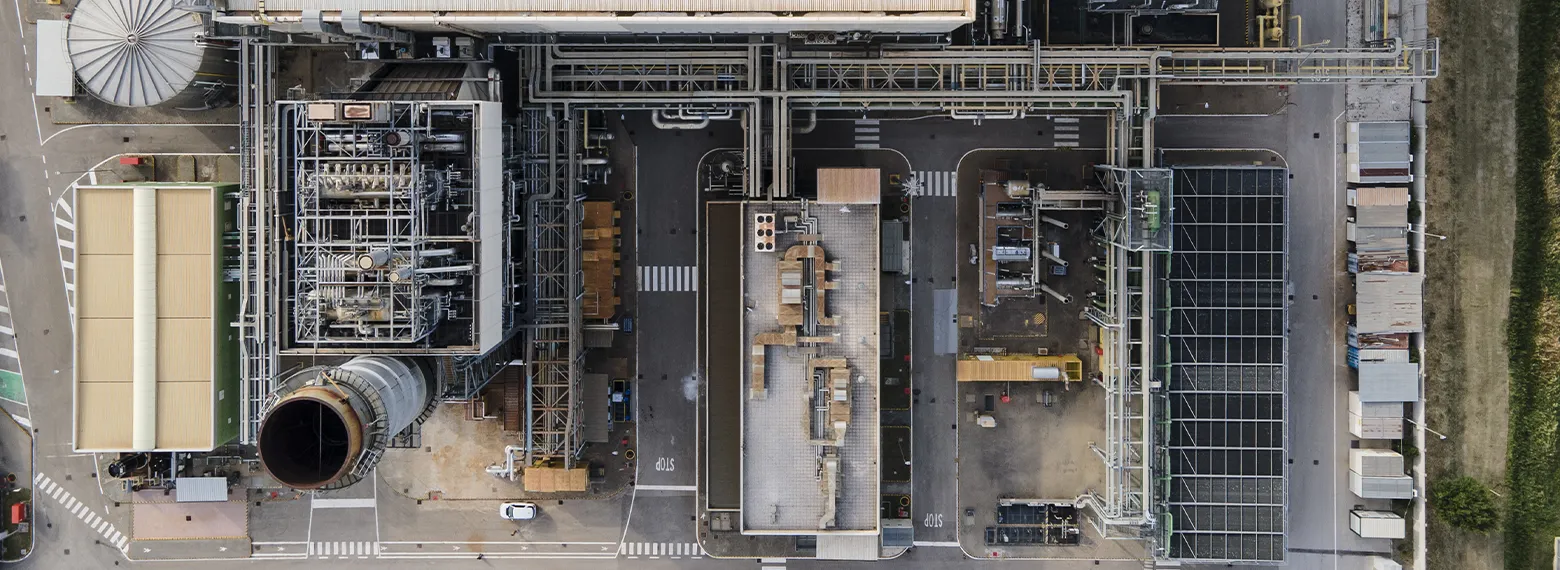
In recent years, we have decided to invest in a selected number of high-efficiency gas combined cycle plants (Class H CCGT) to ensure the stability of the electrical system, also in anticipation of the increasing integration of non-programmable renewable energies; these implementations do not preclude the achievement of the climate-altering emissions targets we have set for 2030.
CO₂ Capture and Storage
We are studying possible methodologies for the capture and storage (CCS – Carbon Capture and Storage) of CO₂ downstream of the combustion of fossil-origin natural gas. High-efficiency gas combined cycle plants, coupled with decarbonization solutions, can indeed help ensure the adequacy of the electrical system, meeting demand during periods of scarcity of renewable energies while simultaneously minimizing the carbon dioxide emissions released into the atmosphere.
Research and innovation: new nuclear
Research and innovation will be fundamental to making other generation technologies available for the transition, including new nuclear through Small Scale Modular Reactors (SMR), if conditions are created for its return in Italy.
Biomethane
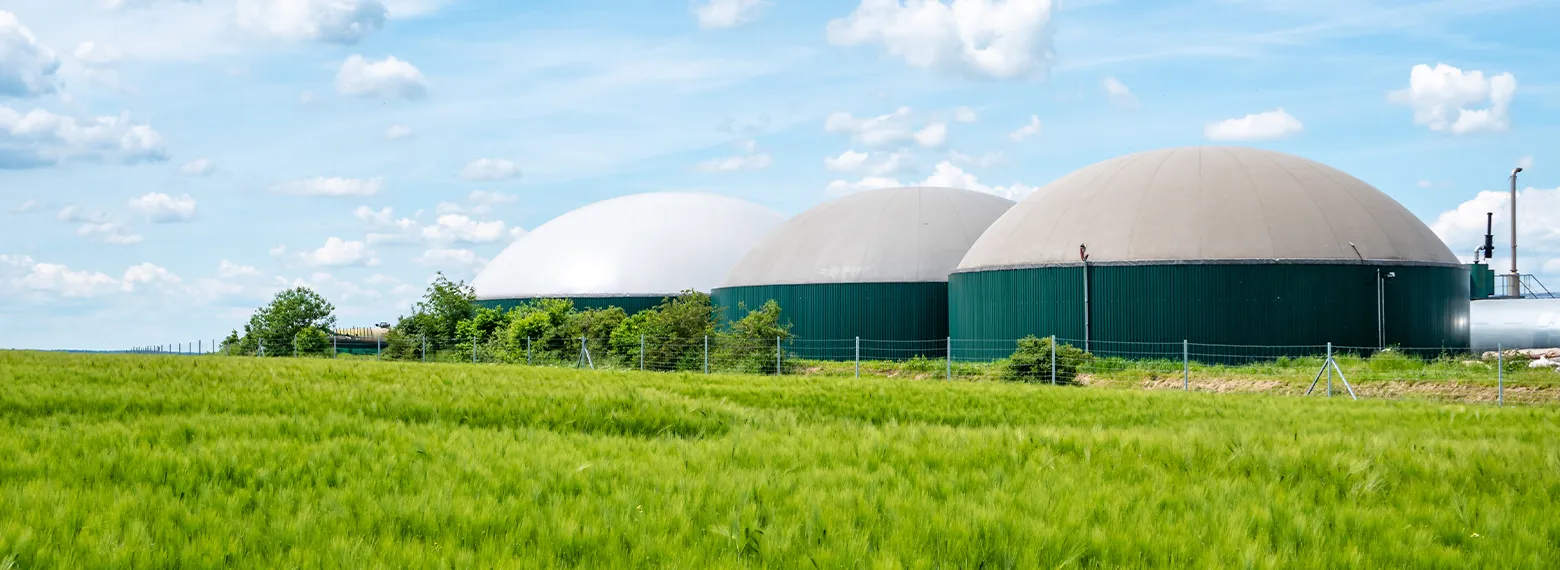
At the same time, the biogas production chain is under development. We aim to install 10 biogas/biomethane plants by 2030. Currently, in Italy, we have 3 operational plants, 2 in the authorization phase, and 1 under construction, while in Spain there are 2 plants awaiting authorization.
Hydrogen
We recognize hydrogen as a key energy carrier for customers and synergistic with our core business. The Puglia Green Hydrogen Valley project is a concrete and ambitious initiative for the production of green hydrogen on a large scale, conducted by a special purpose company, Puglia Green Hydrogen Valley - PGHyV Srl, 50% owned by Edison, as a reference industrial partner. The project calls for the construction of two green hydrogen production plants in Brindisi and Taranto, with a total electrolysis capacity of 160 MW and a production of green hydrogen at a rate of 250 million Nmc/year. The aim of the project is twofold: to accelerate the spread of green hydrogen within the national energy mix and to promote the decarbonisation of the industrial districts in the area, in particular the Taranto steel hub, and to develop local sustainable mobility. Confirming the strategic and concrete nature of the initiative, after the European Commission’s authorisation decision in 2024, the project obtained in July 2025 from MIMIT the final concession decree for a subsidy of 370 million euros, in the form of a contribution to expenditure under the IPCEI Hydrogen 3 Fund.
Sustainable mobility
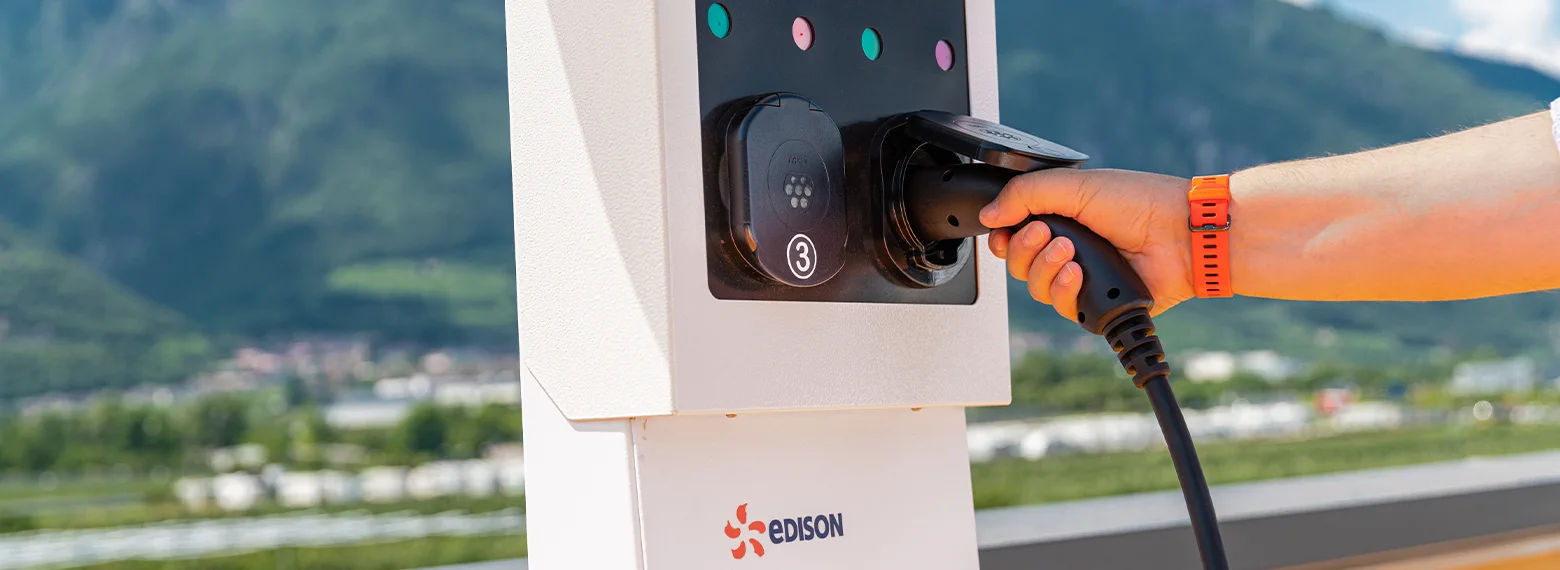
We promote sustainable mobility with both electric and gas solutions. For electric mobility solutions, for retail customers and SMEs, with Edison Energia we provide charging infrastructure, installation and assistance services, and solutions for managing charges. Edison Energia has activated the Edison Plug&Go solution that combines the supply and installation of a home wallbox (with dynamic load management) and access to an app (IPlanet) to identify and use public charging stations throughout Italy. The “turnkey” package also includes services such as long-term rental of electric cars, 100% renewable energy, dedicated support and insurance coverage. Partnerships also continue with Toyota/Lexus for the installation of new charging stations on loan for use and new charging infrastructure at network dealerships, and with Nissan Italia for the purchase of wallboxes at the same time as the electric vehicle.
During 2025, Edison Next, which operates a large portfolio of charging stations in Italy and Spain, installed the first charging points both for industrial customers and the public administration, including the first charging points (ABB E-mobility C50) at a shopping centre in the province of Fermo, powered 100% by renewable energy. The initiative is part of a broader plan to develop an ultra-fast charging network, also supported by PNRR and CEF funds, which involves the installation and management of over 400 charging points up to 360 kW throughout the Country. In addition, in order to promote sustainable, zero-emission internal mobility, we have implemented a Company car fleet electrification plan and installed recharging infrastructure at Company offices, customers and public institutions. The EV100 project currently stands at 18% (Italy perimeter) electrification of the Company fleet and the installation of 40 Wallboxes at the homes of Group employees. The initiative will also create the conditions for the adoption of electric vehicles and plug-in hybrids, including for the instrumental car fleet. To support this transition, around 50 charging points were installed at operational sites between 2025 and 2026, with a gradual expansion to over 300 charging points.
During 2025, Edison Next, which operates a large portfolio of charging stations in Italy and Spain, installed the first charging points both for industrial customers and the public administration, including the first charging points (ABB E-mobility C50) at a shopping centre in the province of Fermo, powered 100% by renewable energy. The initiative is part of a broader plan to develop an ultra-fast charging network, also supported by PNRR and CEF funds, which involves the installation and management of over 400 charging points up to 360 kW throughout the Country. In addition, in order to promote sustainable, zero-emission internal mobility, we have implemented a Company car fleet electrification plan and installed recharging infrastructure at Company offices, customers and public institutions. The EV100 project currently stands at 18% (Italy perimeter) electrification of the Company fleet and the installation of 40 Wallboxes at the homes of Group employees. The initiative will also create the conditions for the adoption of electric vehicles and plug-in hybrids, including for the instrumental car fleet. To support this transition, around 50 charging points were installed at operational sites between 2025 and 2026, with a gradual expansion to over 300 charging points.
As for green-gas mobility solutions, Edison Energia was the first operator to start selling biomethane in 2018 and today plays a leading role in the sector. The activity contributes significantly to the reduction of greenhouse gas emissions related to road transport and also allows a reduction in fuel costs compared to traditional fuels.
Methane refueling stations for road transportation owned by Edison Energia
Plants for compression, storage, and dispensing of methane for cars built and managed by Edison Energia
Million cubic meters of biomethane were collected and marketed
Alongside gaseous biomethane, in 2025 Edison Energia also started collecting bioLNG from three plants located in Veneto, Lombardy and Campania. BioLNG, which is a concrete example of the circular economy, is mainly intended for heavy transport alongside LNG; its use allows a significant reduction in greenhouse gas and nitrogen oxide emissions compared to diesel. In 2025, the collaboration with LC3 Trasporti for a completely sustainable fuel business segment also continued. Partnerships with Fercam, Arcese and Transitalia for the supply of BioLNG fleets were also strengthened. Finally, in local public transport, methane supplies to leading operators such as TPER and Start Romagna continue, with environmental benefits in urban contexts.
In 2025, we also signed a long-term agreement with Verdalia Bioenergy that also significantly strengthens the circular economy business segment in the energy sector. The agreement provides for the exclusive withdrawal of 14 million cubic meters per year of biomethane produced from the recovery of 350,000 tonnes of livestock effluents and agricultural by-products not intended for human consumption, transforming organic waste into renewable energy for transport. The Edison Group's integration across the entire value chain of gas, biomethane, LNG, and bioLNG enables its fully contribution to the decarbonization of transportation.
In the airport logistics sector, we are supporting SEA Aeroporti di Milano, in the decarbonisation process initiated for Milan Malpensa International Airport, through the development of a green hydrogen refuelling station at the Cargo City area to meet the needs of heavy logistics vehicles. The Malpensa H2 project, funded by the NRRP, is developed in synergy with OLGA (hOListic Green Airport), a programme funded by the European Commission (Horizon 2020). More initiatives are currently under development, with a growing focus on ports, airports, and intermodal hubs.
In 2025, we also signed a long-term agreement with Verdalia Bioenergy that also significantly strengthens the circular economy business segment in the energy sector. The agreement provides for the exclusive withdrawal of 14 million cubic meters per year of biomethane produced from the recovery of 350,000 tonnes of livestock effluents and agricultural by-products not intended for human consumption, transforming organic waste into renewable energy for transport. The Edison Group's integration across the entire value chain of gas, biomethane, LNG, and bioLNG enables its fully contribution to the decarbonization of transportation.
In the airport logistics sector, we are supporting SEA Aeroporti di Milano, in the decarbonisation process initiated for Milan Malpensa International Airport, through the development of a green hydrogen refuelling station at the Cargo City area to meet the needs of heavy logistics vehicles. The Malpensa H2 project, funded by the NRRP, is developed in synergy with OLGA (hOListic Green Airport), a programme funded by the European Commission (Horizon 2020). More initiatives are currently under development, with a growing focus on ports, airports, and intermodal hubs.
Support for residential, industrial, and public administration customers in decarbonization
We are committed to actively supporting gas customers in their journey towards carbon neutrality and promoting the decarbonization of our economy. We have developed an action plan to demonstrate the company's actual commitment to being a Responsible Gas Supplier. To this end, primarily through Edison Energia and Edison Next, we are committed to facilitating the electrification of our gas end customers' consumption and supporting them in efficiency processes and conscious use of energy resources.
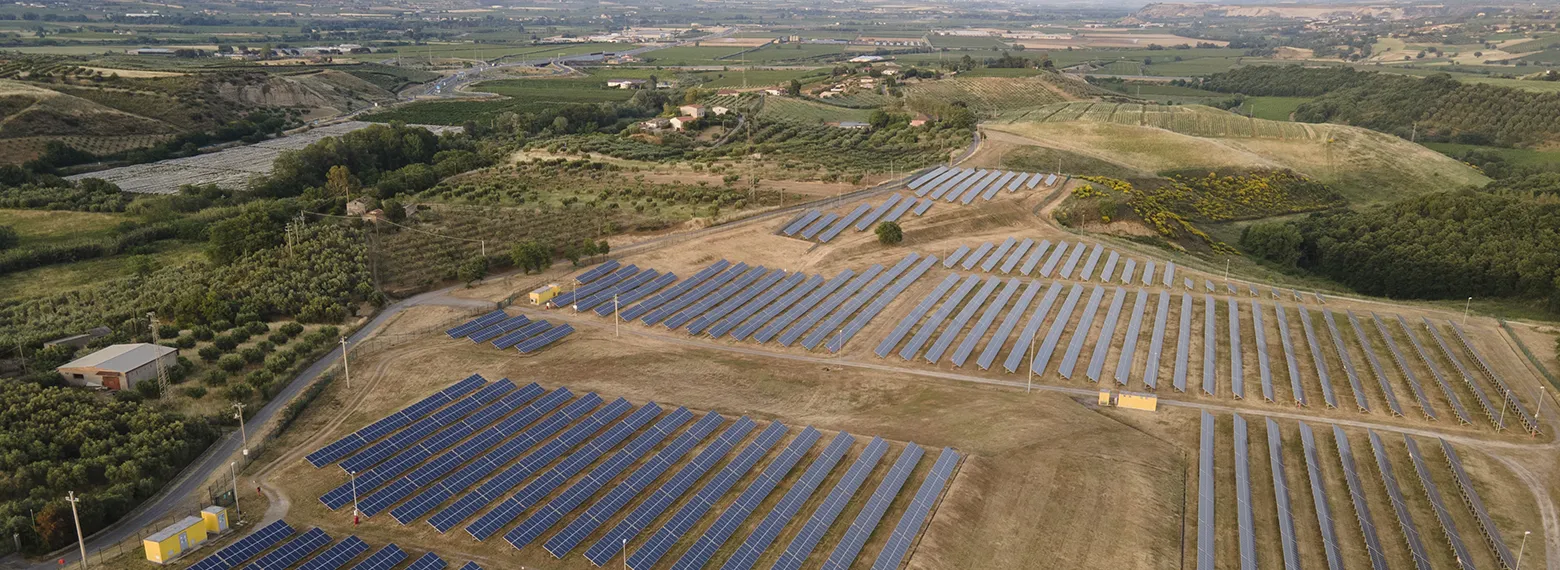
We are also committed to investing in new installed capacity from photovoltaics on customer sites for 500 MW by 2030 and in biomethane and green hydrogen production plants, partially replacing fossil-origin natural gas supplied to customers.
We are also committed to investing in new installed capacity from photovoltaics on customer sites for 500 MW by 2030 and in biomethane and green hydrogen production plants, partially replacing fossil-origin natural gas supplied to customers.
We are strongly interested in customer orientation and their evolving needs, in the experience of developing and managing our assets, where we adopt the best available technologies for new initiatives and for modernization projects of existing ones, and in the expertise in the environmental services sector. We promote progressive decarbonization of consumption, production, and processes among our customers, self-production and energy sharing, energy optimization and efficiency, and proper waste and resource management in a circular economy perspective.
The goal is to support residential customers in using energy more responsibly, consuming less and better, and to help businesses and industries optimize their plants and processes from an energy perspective, increasing their sustainability and energy independence while maintaining market competitiveness. Finally, we stand by the Public Administration to seize opportunities for efficiency in buildings, neighborhoods, and cities, for the regeneration of disused areas, and for the creation of energy communities that enhance local resources.
In this regard, the actions implemented with Edison Next, the Edison Group company with which we accompany customers and territories in their decarbonization and energy transition journey, are important.
The goal is to support residential customers in using energy more responsibly, consuming less and better, and to help businesses and industries optimize their plants and processes from an energy perspective, increasing their sustainability and energy independence while maintaining market competitiveness. Finally, we stand by the Public Administration to seize opportunities for efficiency in buildings, neighborhoods, and cities, for the regeneration of disused areas, and for the creation of energy communities that enhance local resources.
In this regard, the actions implemented with Edison Next, the Edison Group company with which we accompany customers and territories in their decarbonization and energy transition journey, are important.